Schedule a consultation today. The sooner we identify the problem, the faster and easier it will be to treat.
We’ll put a smile back on your face in no time.
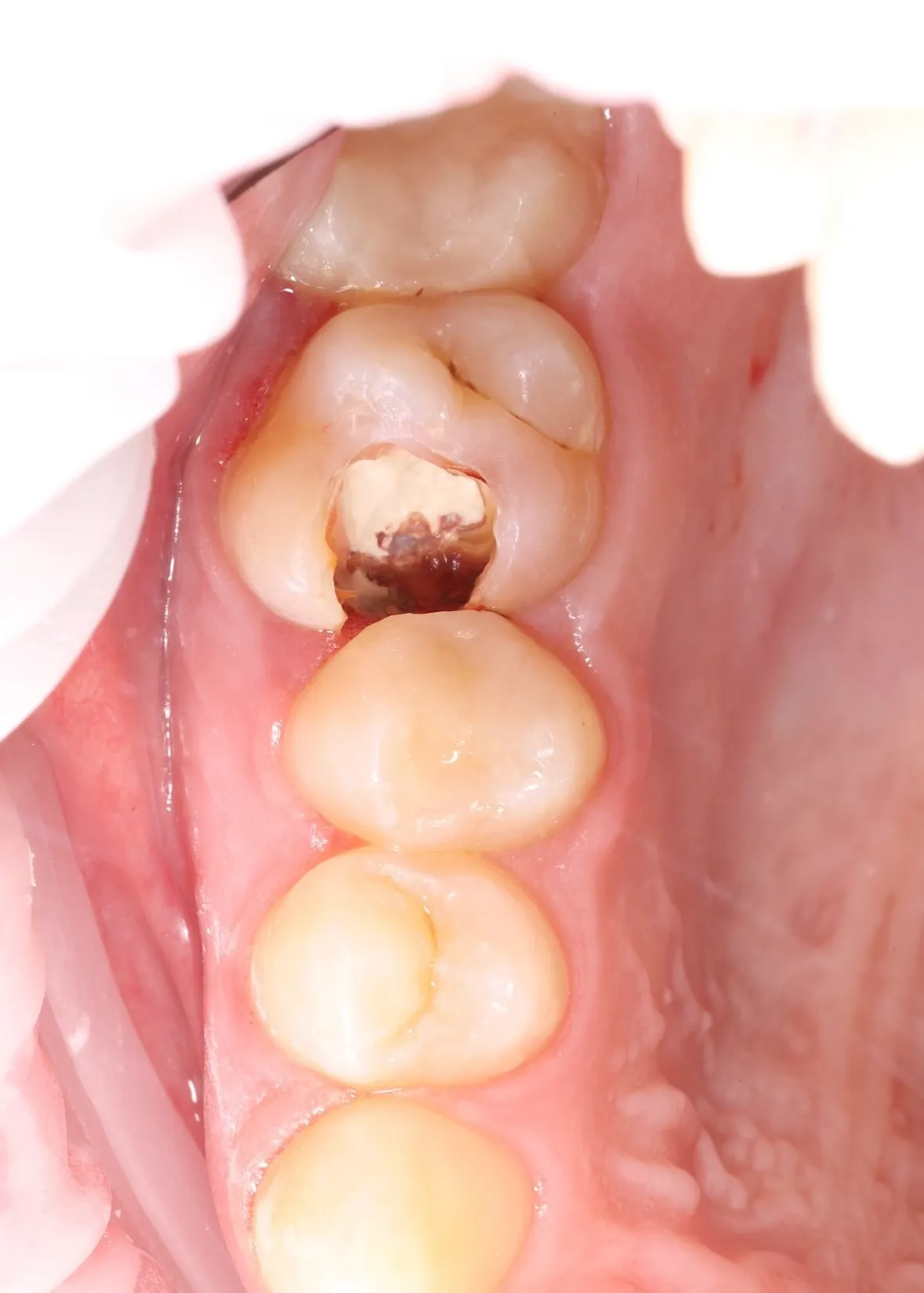
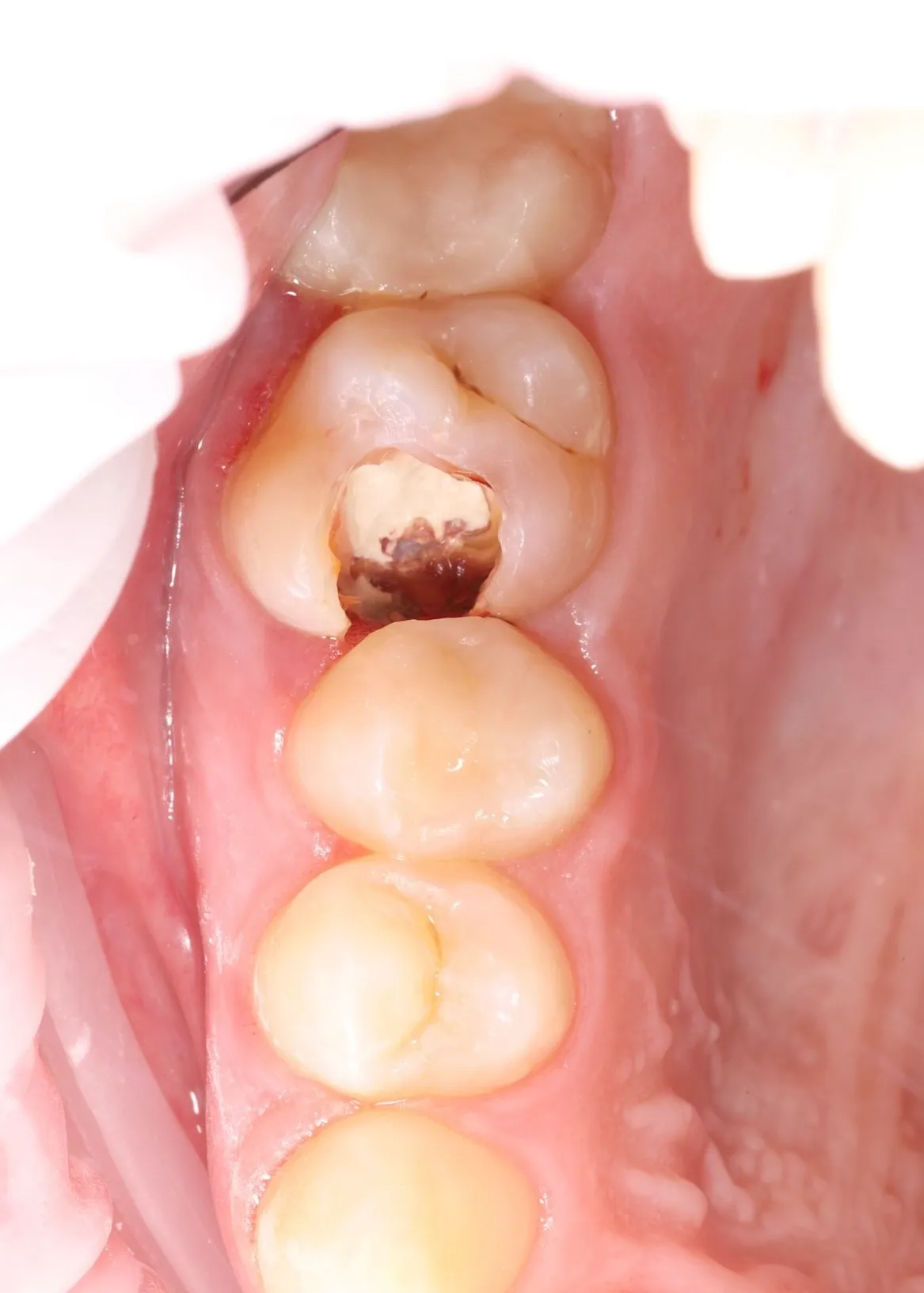
the tooth is severely damaged
the tooth has undergone root canal treatment
the tooth has a large filling
tooth crack
worn teeth
replacement of old crowns
If a tooth is more than half destroyed, a regular filling no longer provides sufficient strength. A ceramic crown fully restores the shape of the tooth and allows it to withstand chewing load again.
After root canal treatment, the tooth becomes more fragile and needs protection. A ceramic crown covers the tooth and protects it from cracks and further damage.
A crown restores the correct anatomical shape of the tooth, allowing chewing load to be distributed properly and making eating comfortable again.
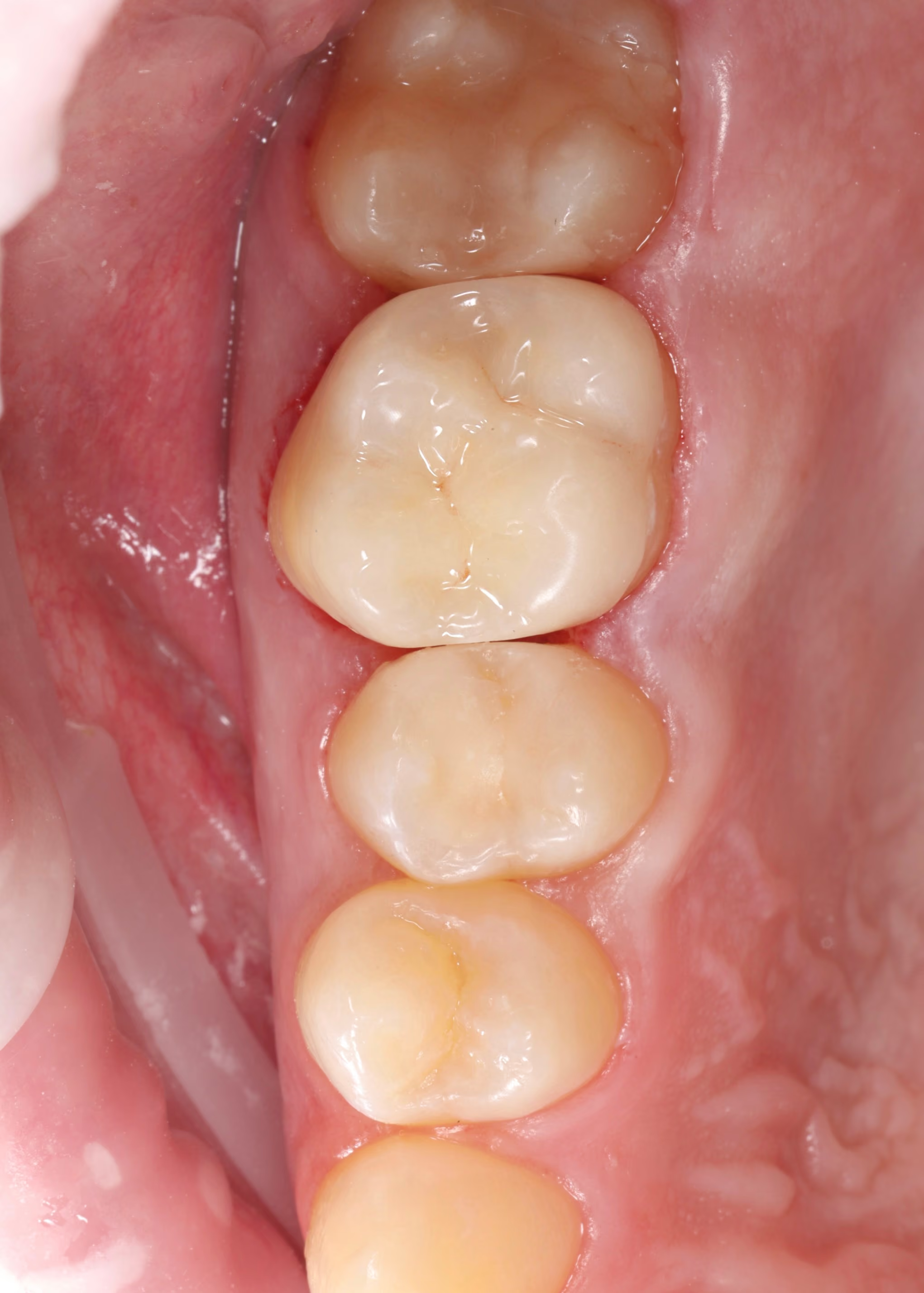
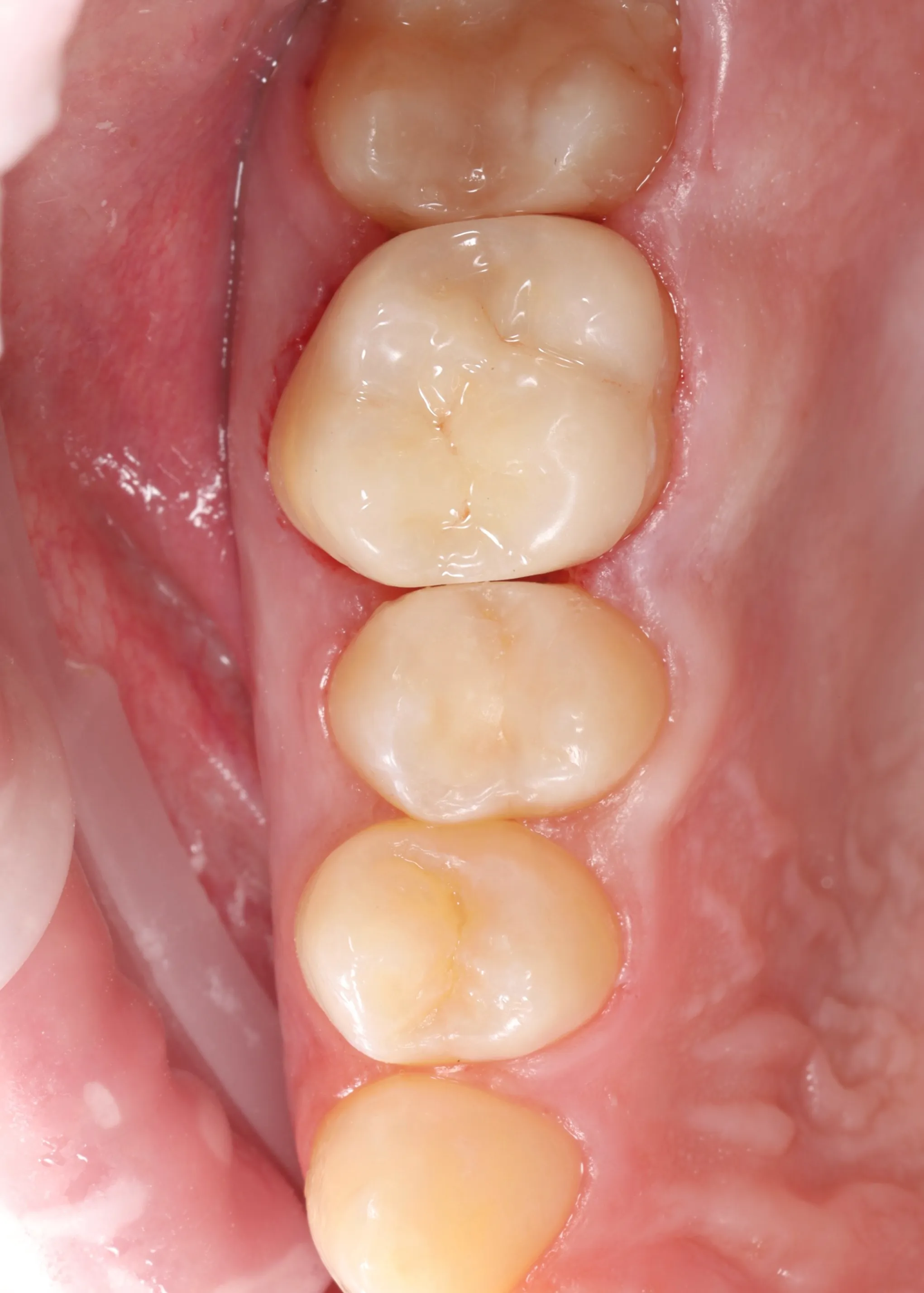
Ceramic is matched to the color of the teeth and has natural translucency and shine, so the crown looks like a natural tooth and blends harmoniously with the smile.
A crown protects the tooth from further damage, helping preserve it for many years and avoid extraction.
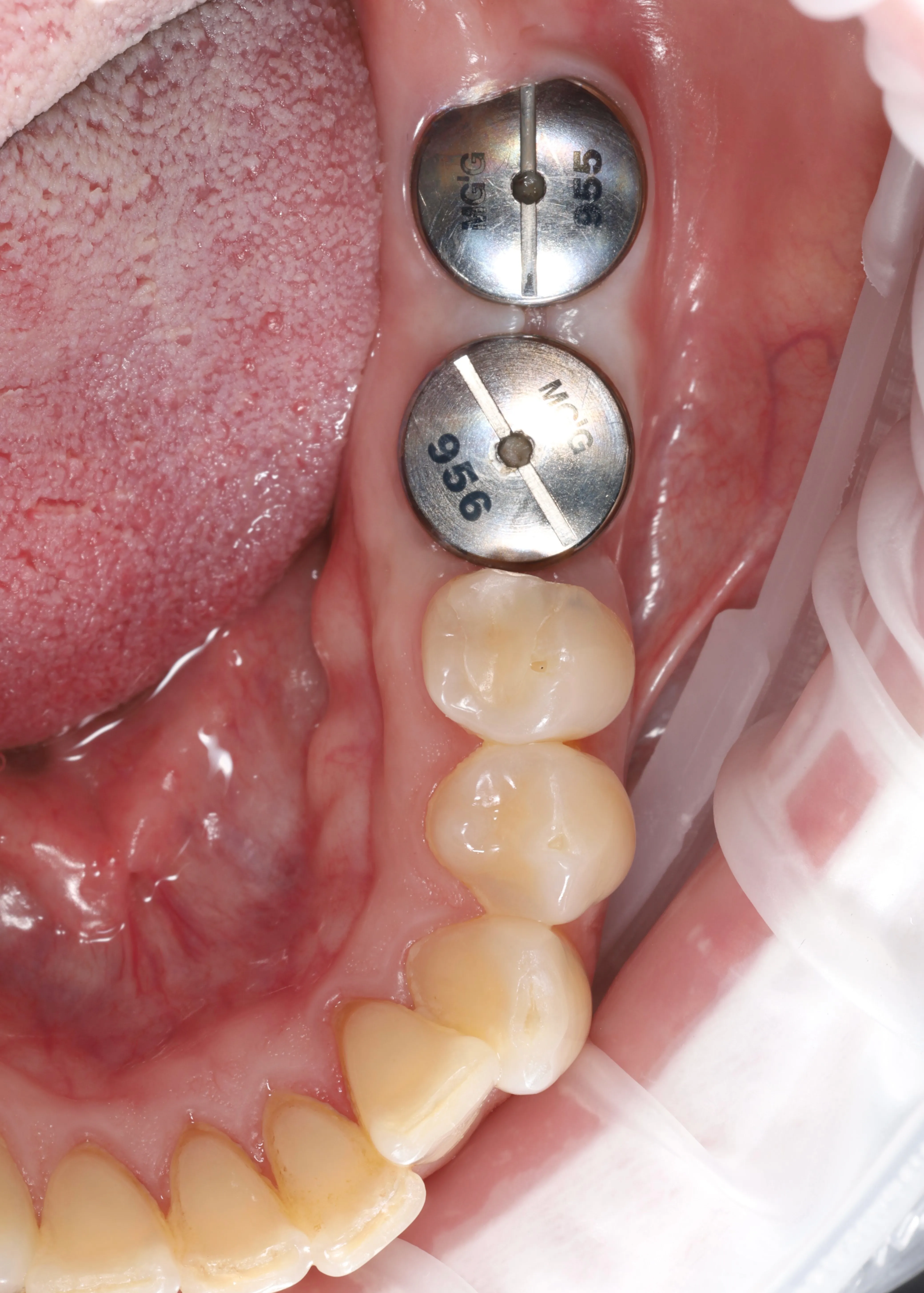
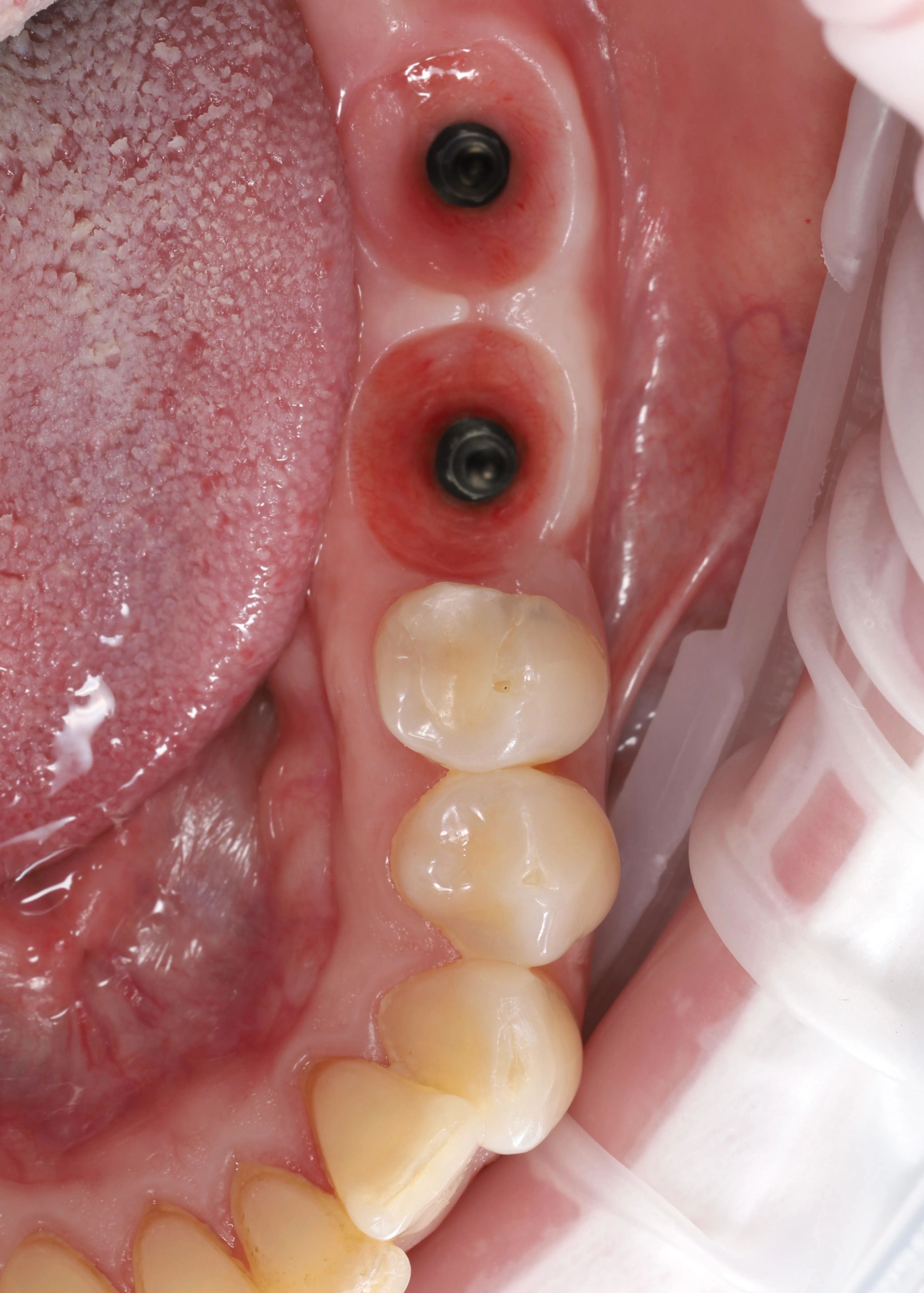
The doctor performs an examination, X-ray diagnostics, and assesses the condition of the tooth, gums, and bite. Planning is carried out with consideration of function, tooth load, and aesthetics so that the crown looks natural and functions correctly in the bite.
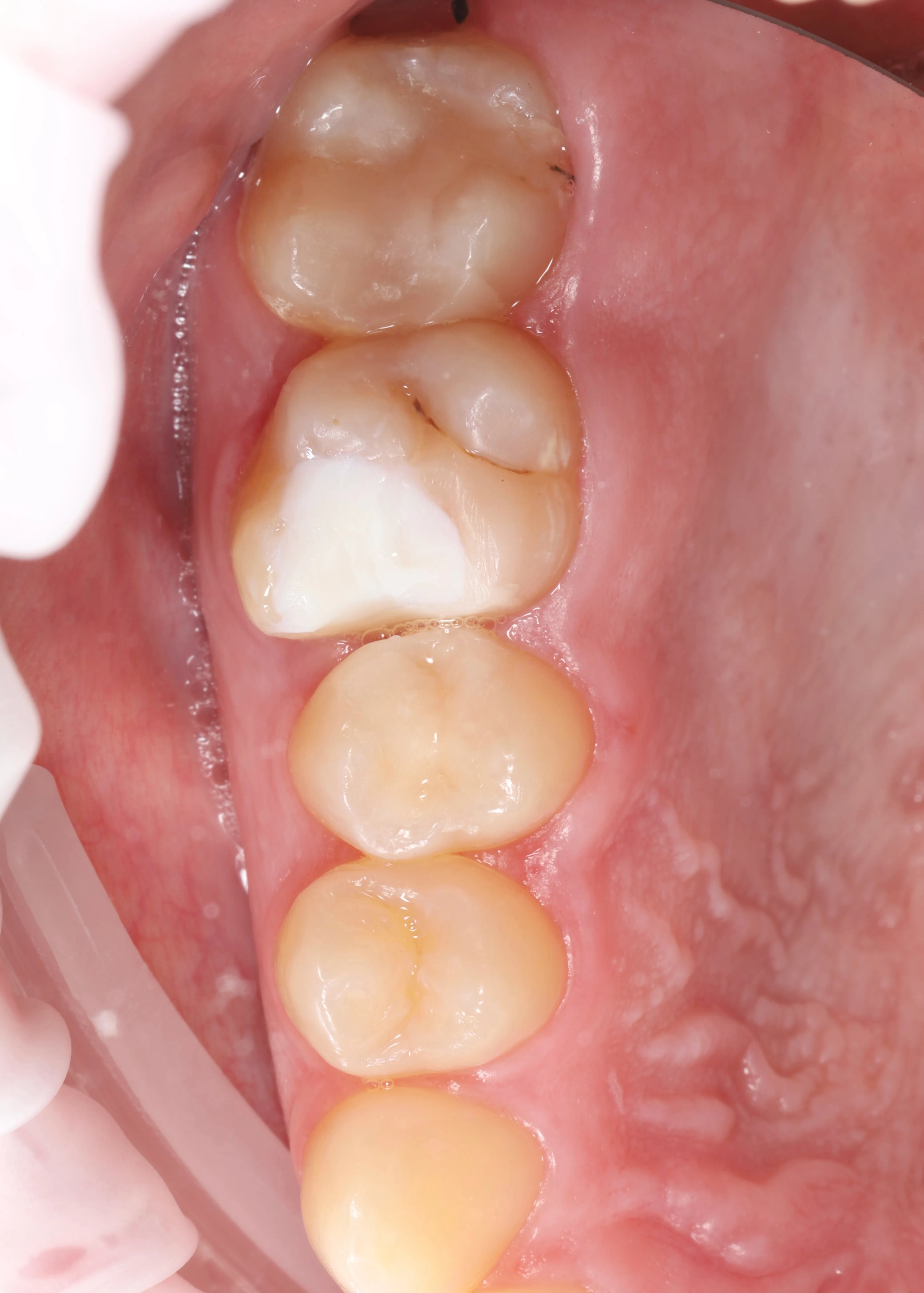
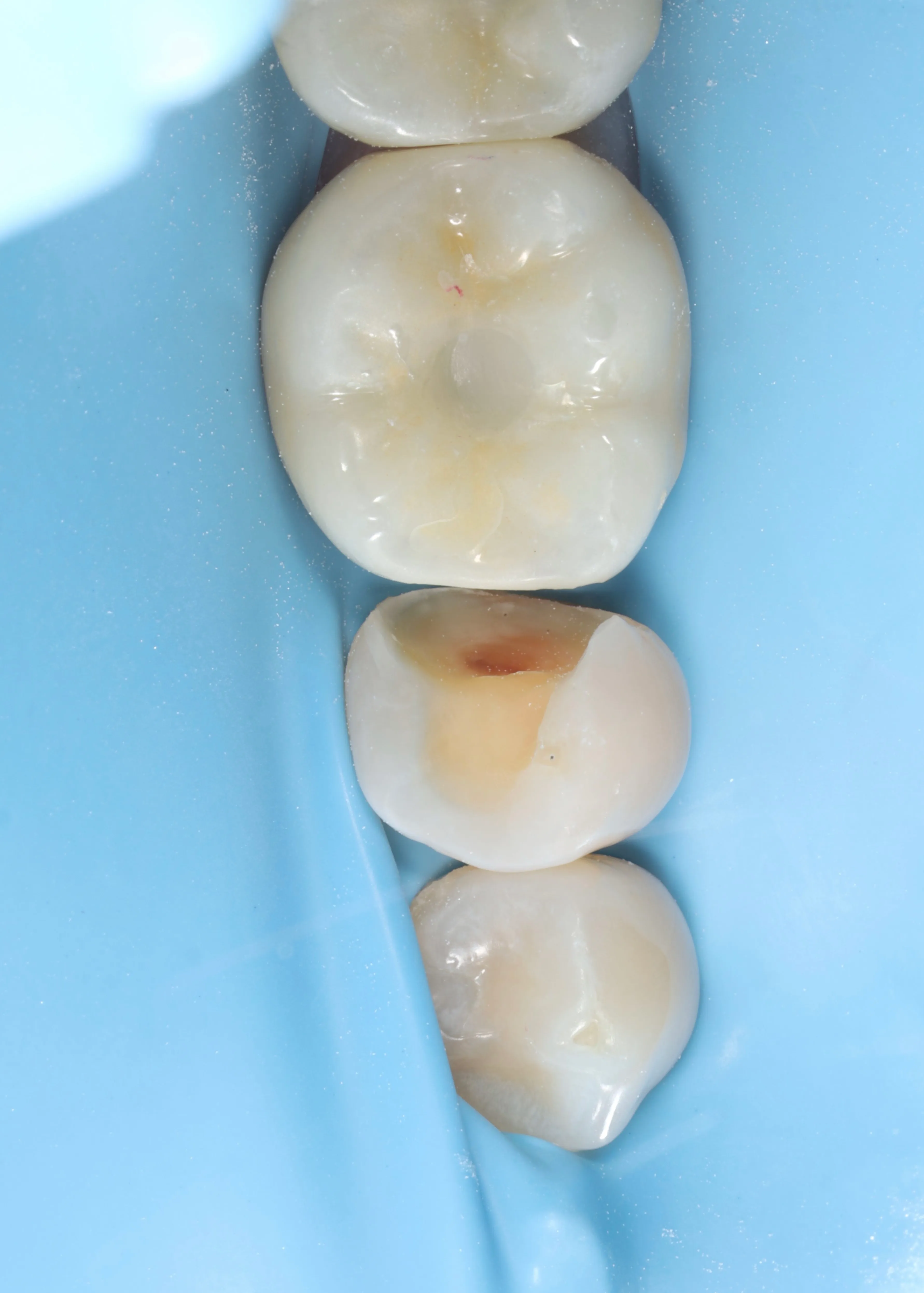
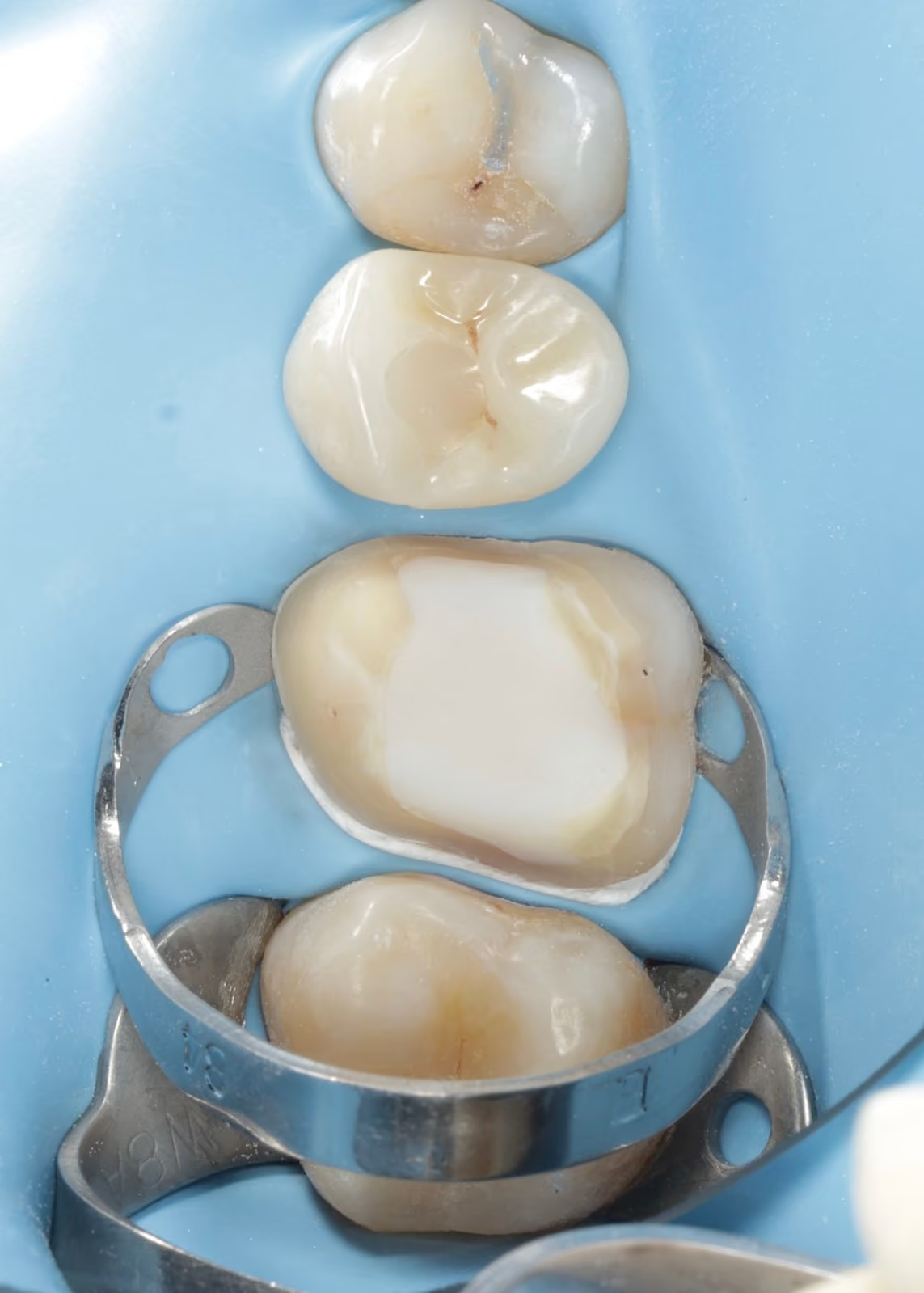
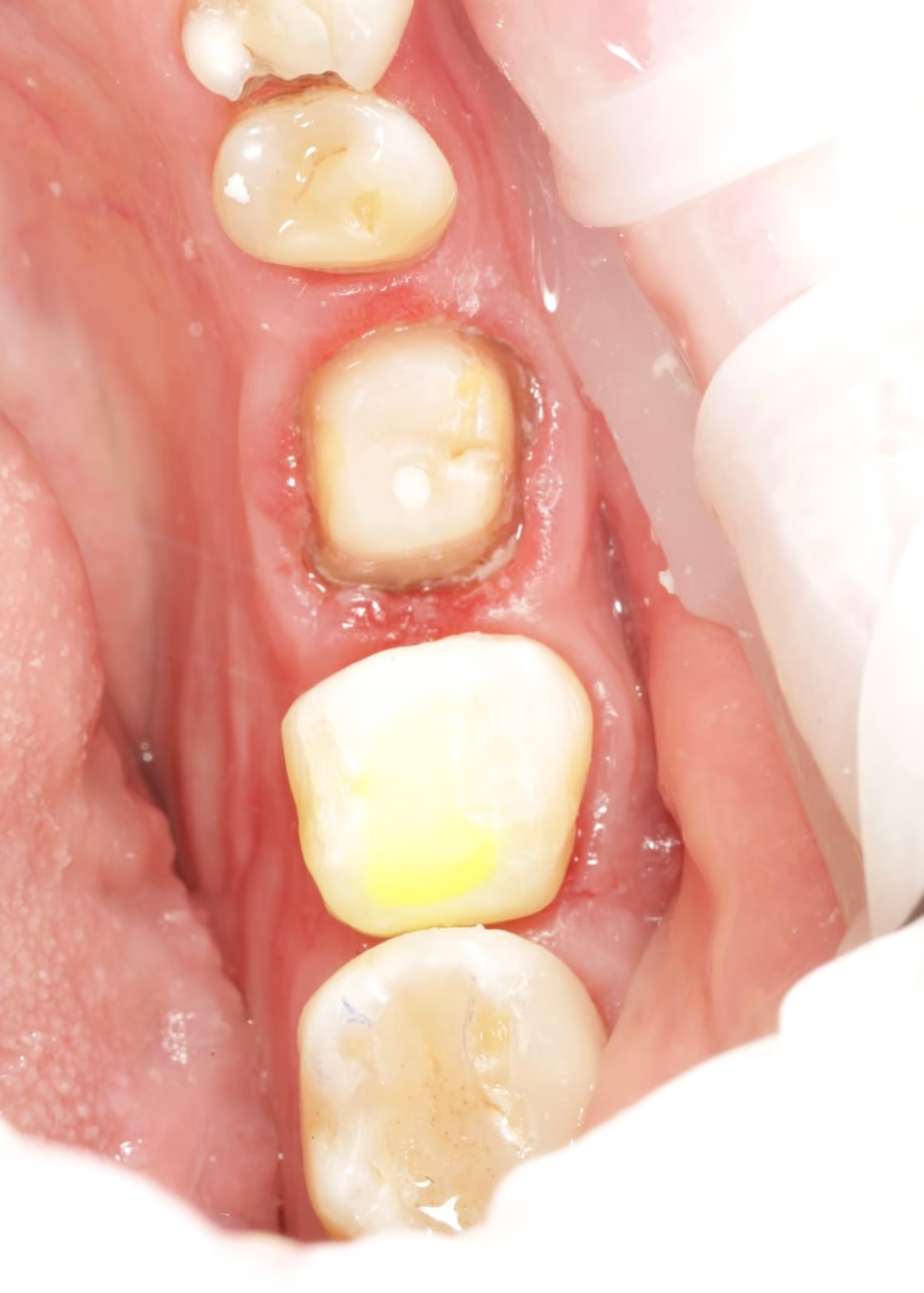
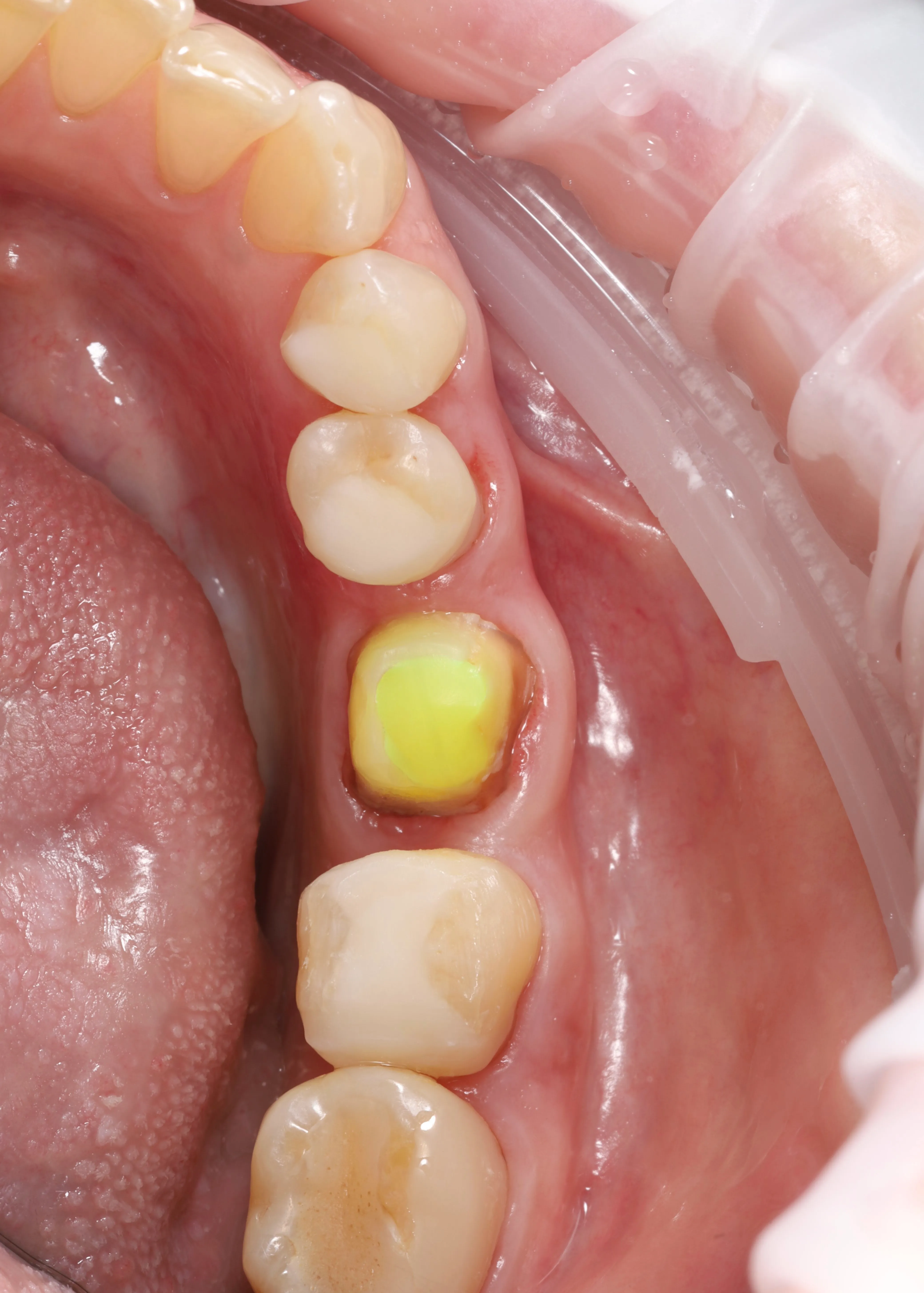
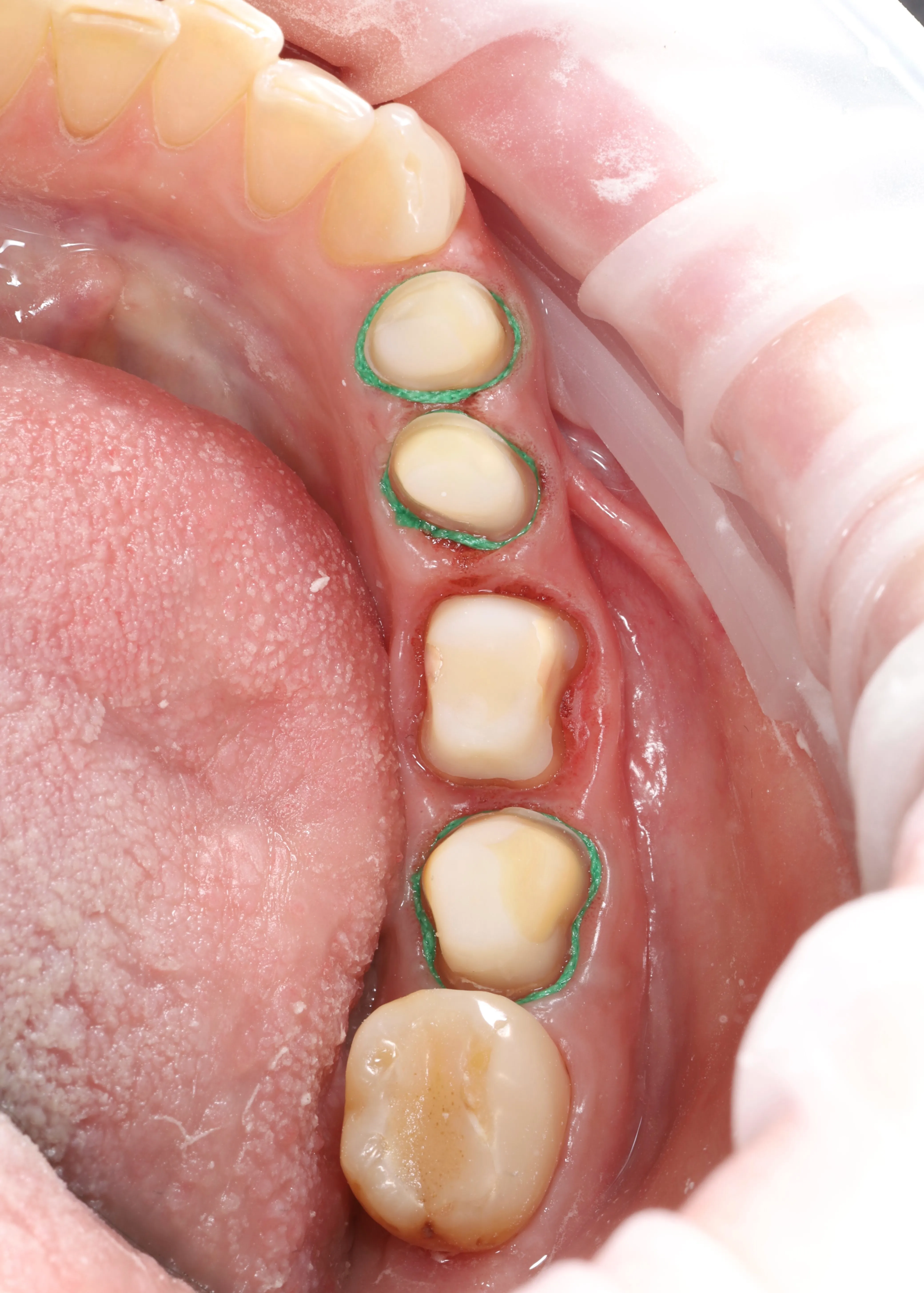
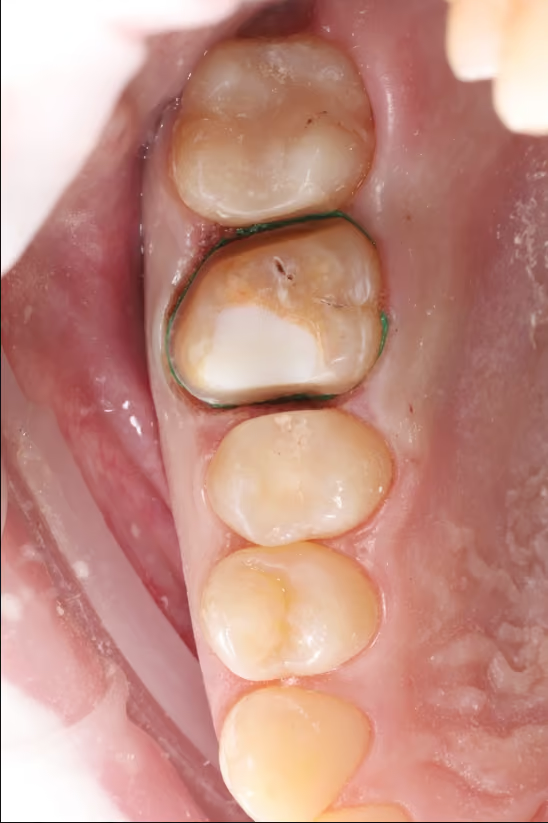
The tooth is prepared for the crown. The procedure is performed under a microscope, allowing the doctor to work with maximum precision and preserve healthy tissues. The accuracy of this stage is very important for the long-term durability of the crown.
After tooth preparation, a temporary crown is placed to protect the tooth, preserve aesthetics, and allow comfortable chewing while the permanent crown is being made.
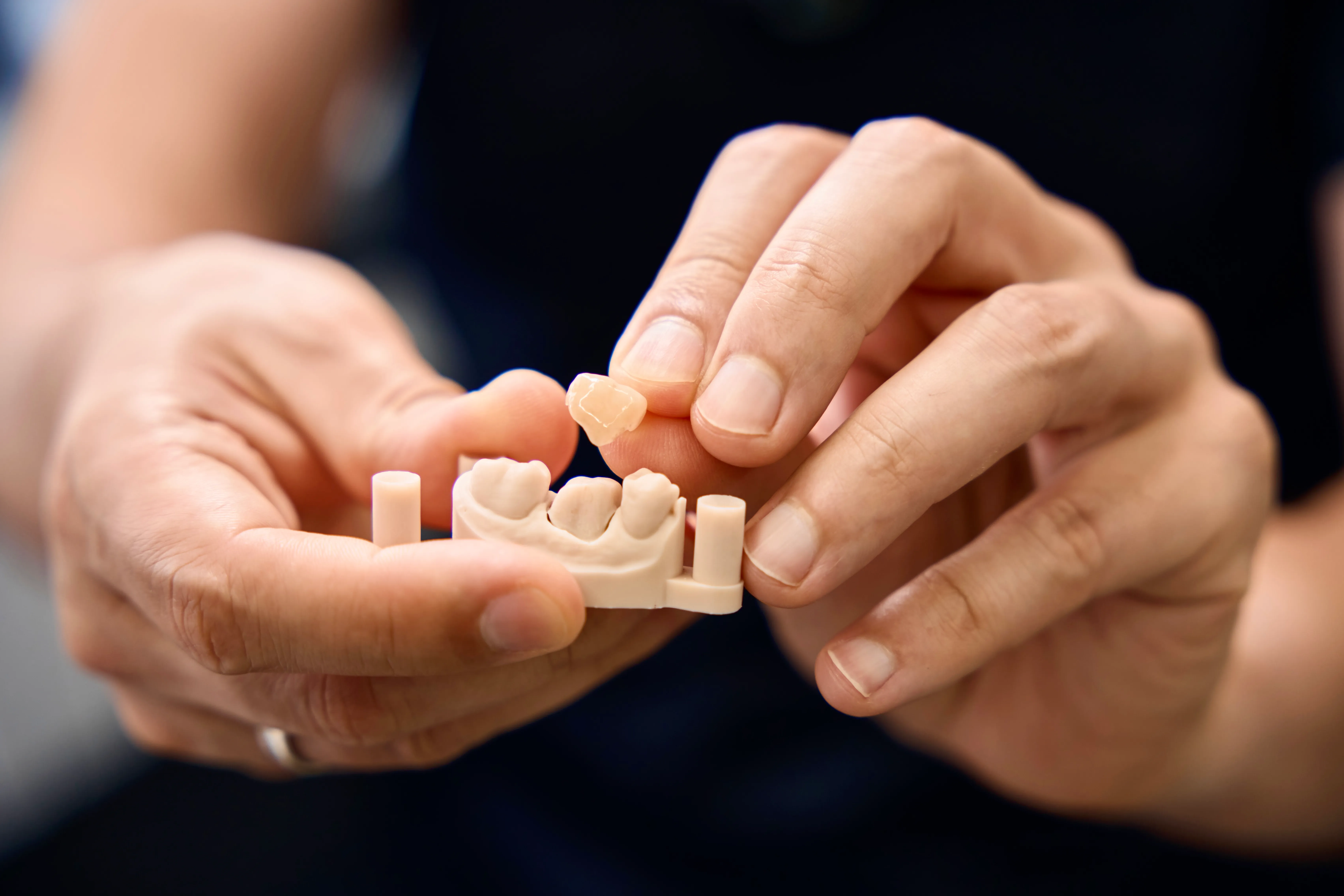
Digital scanning of the teeth is performed, after which the crown is made in a modern digital dental laboratory. This ensures high precision, correct anatomical shape, and a natural appearance of the crown.
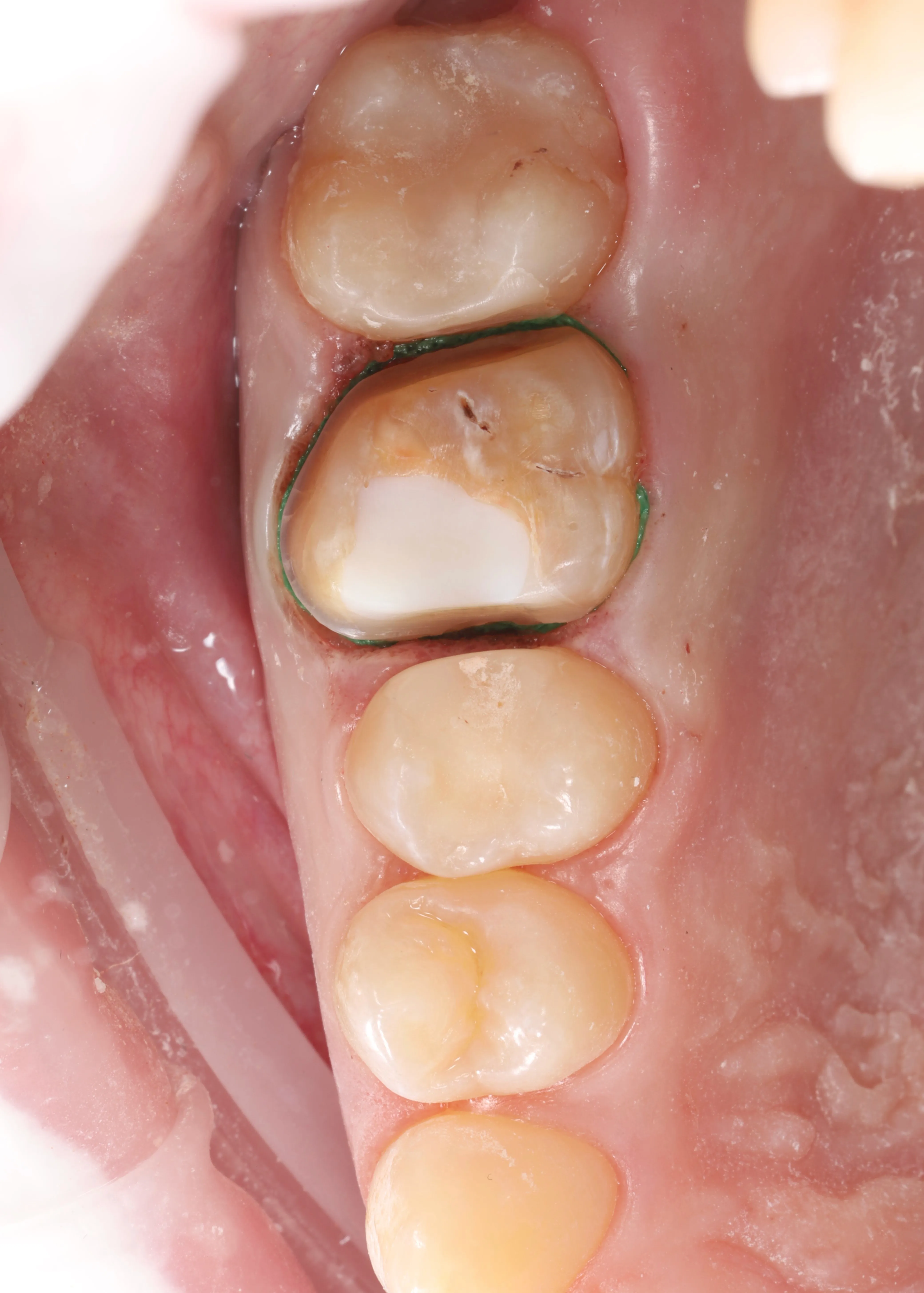
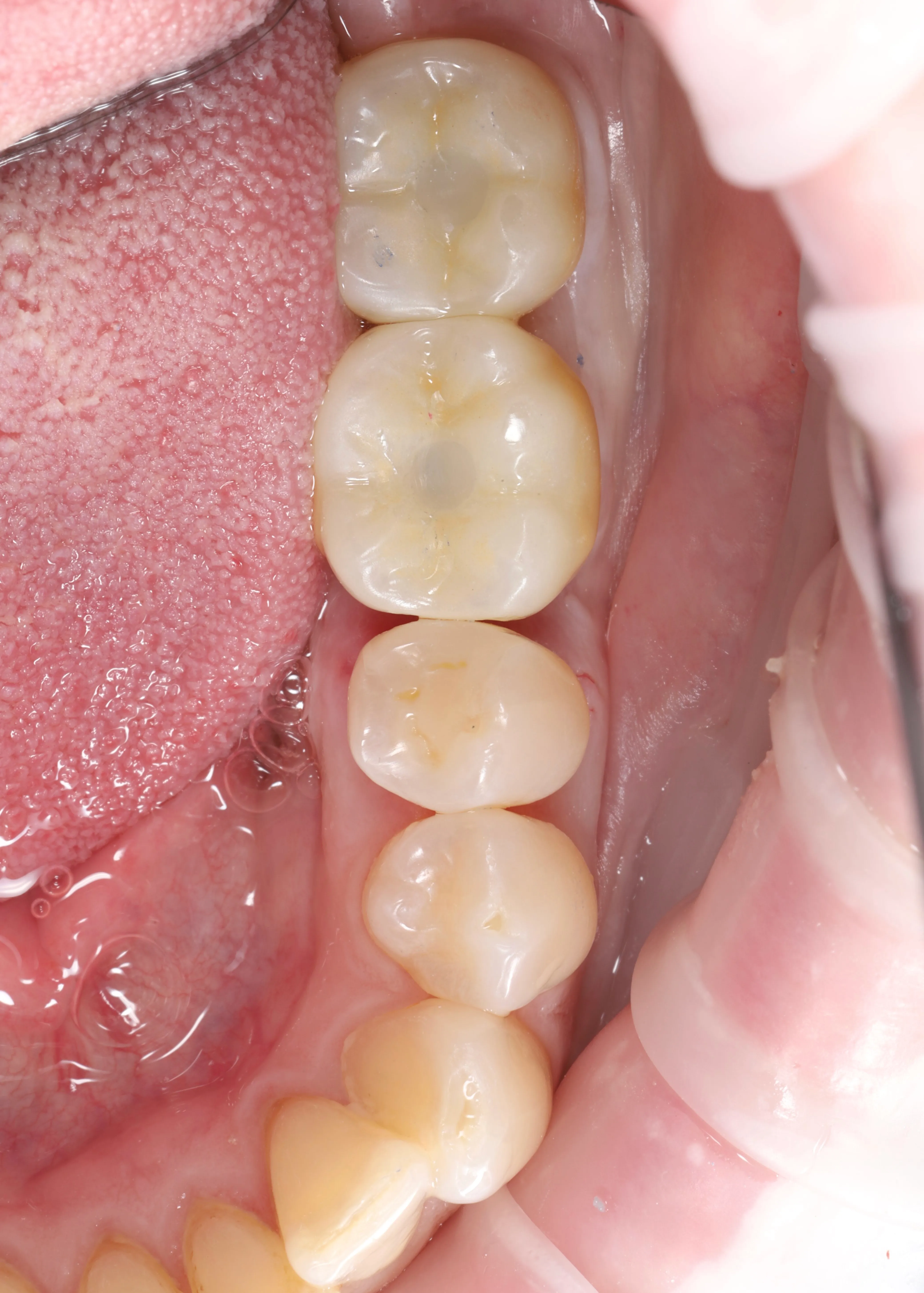
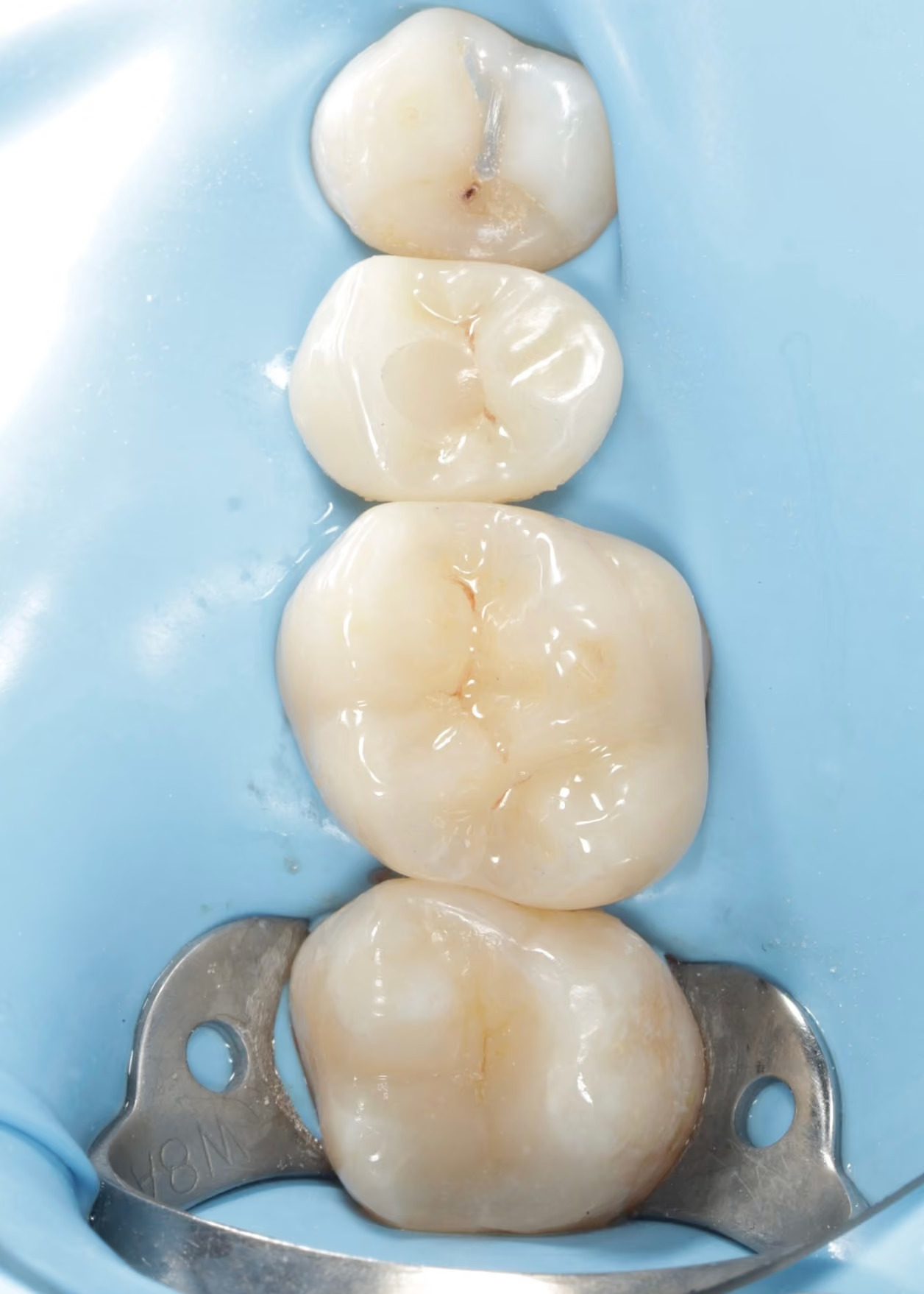
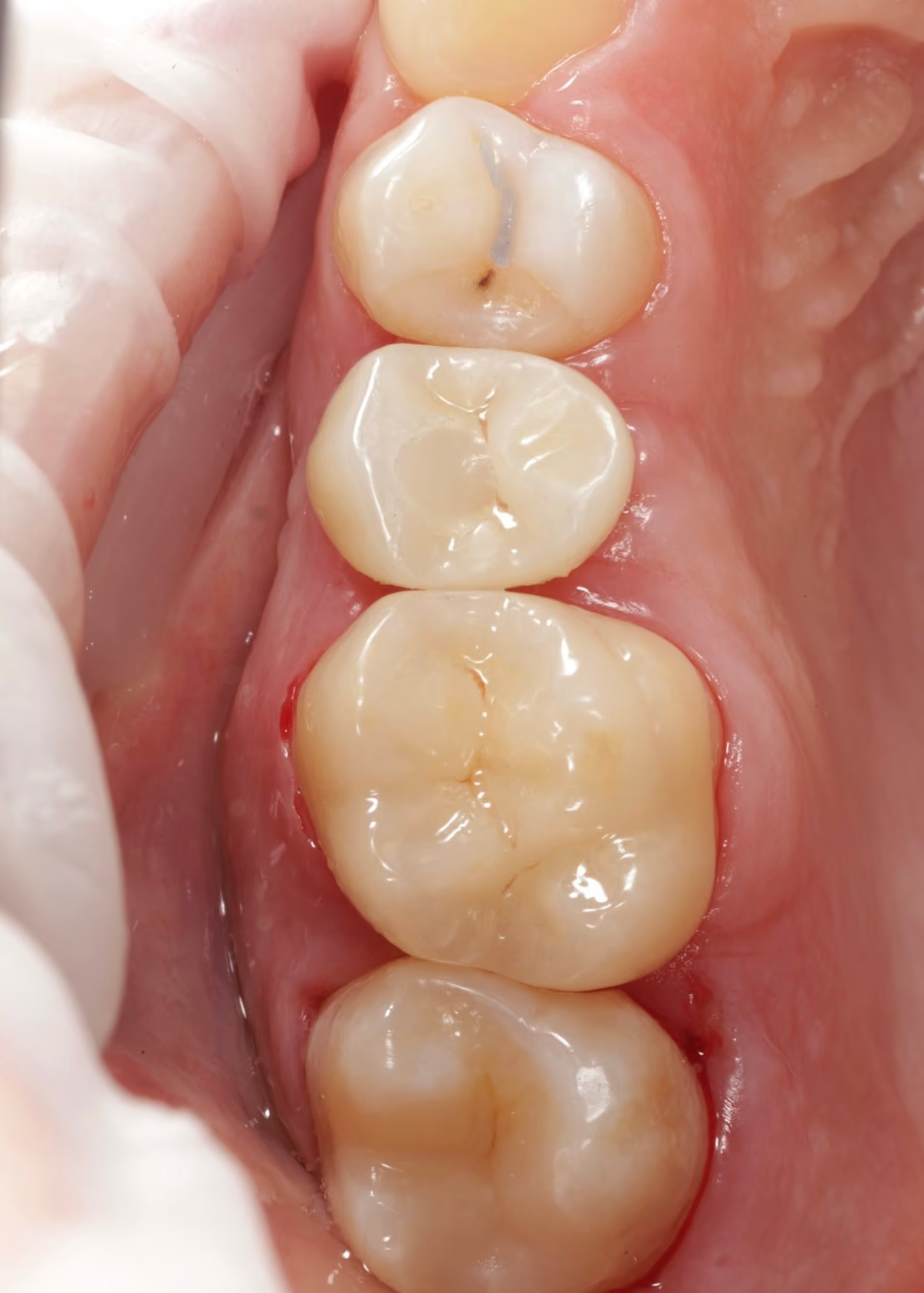
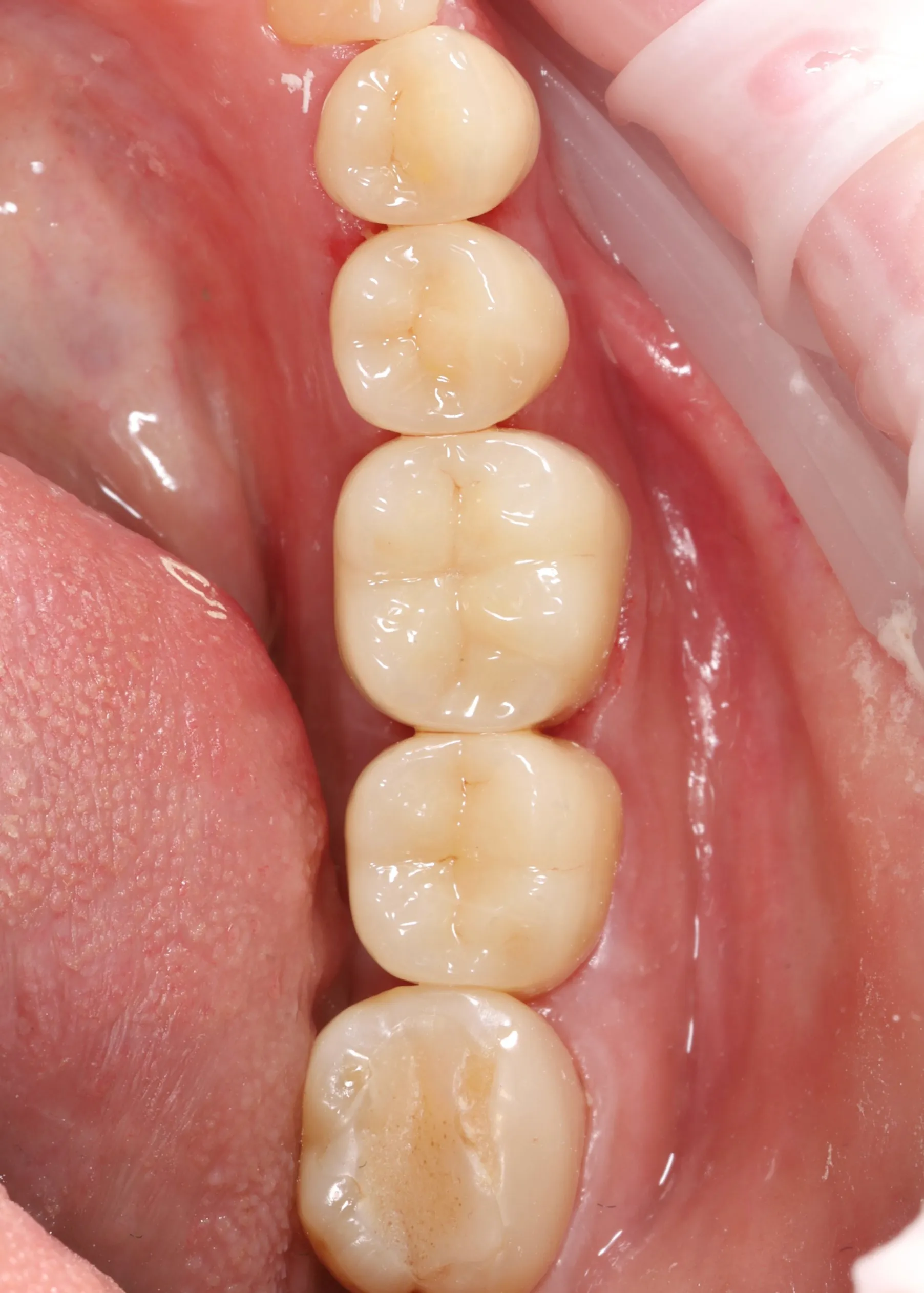
The crown is fixed under a microscope using a rubber dam. This ensures dryness and sterility of the working field, precise crown fit, and reliable bonding, which directly affects the durability of the restoration.

.webp)

We take into account the bite, the work of the chewing muscles, and the load on the teeth, so the crown not only looks aesthetic but also functions correctly during chewing.
Tooth preparation and ceramic crown fixation are performed under a microscope. This allows the tooth to be treated with maximum precision, preserves healthy tissues, and ensures tight sealing and crown durability after fixation.
Crowns are made in a modern digital dental laboratory, ensuring high precision, proper anatomical shape, and a natural appearance.

When a tooth is damaged or has enamel defects, a dentist may recommend getting a crown. This raises the question: which material should you choose, and will the crown look natural? Ceramic dental crowns have become a modern solution, combining aesthetics, durability, and safety for your health.
At Digital Dental Clinic, crowns are made using digital protocols that take into account functionality, aesthetic appearance, and the patient's individual bite characteristics. A ceramic crown is a type of fixed dental restoration. Made from modern composite material, a ceramic crown perfectly restores the anatomical shape and function of the tooth while giving the smile a natural, attractive look.
Because the crown is attached to a metal-free base, it looks like real tooth enamel. It's recommended to place ceramic crowns on front teeth to achieve the most natural appearance possible. The benefits of ceramic prosthetic restorations include a long service life, strength and reliability, high aesthetic quality, hypoallergenicity, and biocompatibility.
A ceramic crown is designed to protect the crown portion of the tooth. Indications for placing a ceramic dental crown include:
A ceramic crown protects the enamel where cracks are present, and in cases of severe damage, it's the ceramic crown that restores the tooth's anatomical shape and allows it to withstand significant chewing loads. After root canal treatment, teeth become brittle and need extra protection. A ceramic crown prevents further possible damage to the tooth after endodontic treatment.
Placing a ceramic crown on a tooth solves a number of problems:
A ceramic crown can be placed on damaged teeth or teeth with defects, and this type of restoration is also used to replace missing teeth as part of implant treatment. Ceramic crowns are preferred when there are high aesthetic requirements for the smile. In the smile zone, on the front teeth, ceramic recreates the natural color and appearance of teeth with maximum accuracy.
Ceramic dental crowns are considered an effective way to restore damaged or missing teeth. Since the restoration contains no metal, light passes through the translucent material, giving the artificial tooth the most natural appearance possible.
Our clinic offers an optimal price for ceramic crowns on front teeth, since front teeth require a special approach to material selection. Why ceramic crowns are recommended in the smile zone:
After getting a ceramic crown, patients feel confident and their smile looks harmonious. A ceramic crown doesn't darken over time, is quite strong, and doesn't irritate the tissues of the oral cavity. Because there's no metal framework, the gum area doesn't darken either.
Ceramic crowns differ by manufacturing technology and material. The main types of crowns are:
These types of crowns differ in strength, aesthetics, and indications for use. The price of a ceramic dental crown depends on the material and manufacturing technology.
Placing a ceramic crown at Digital Dental Clinic is a step-by-step process using the best technologies, equipment, and materials. Here's how treatment proceeds:
Placing a ceramic crown takes several visits to the dentist. Diagnostics, preparation, and taking the digital impression can all be done in a single visit. Fabricating the crown takes up to 10 days. The next visit is for fitting and cementing the crown.
DDC Clinic uses the best technologies and materials for fabricating and placing dental crowns. Factors that affect the price of ceramic dental crowns include:
The advantages of getting crowns at our clinic in Kyiv include a functional approach to treatment, preparation and fixation of the restoration under a microscope, and cooperation with a modern digital dental laboratory. Prices for ceramic teeth vary depending on the type of crown. The clinic's website provides an approximate idea of how much a ceramic dental crown costs, while the final price is determined individually for each case after a consultation, diagnostics, and consideration of the patient's specific clinical situation.
Book a consultation at DDC Clinic to calculate your individual cost. Our specialists will create a personalized treatment plan and put together an overall budget tailored to your individual needs and options.