Schedule a consultation today. The sooner we identify the problem, the faster and easier it will be to treat.
We’ll put a smile back on your face in no time.
tooth wear
clicking or pain in the joint
tension or pain in the chewing muscles
teeth grinding
headache
preparation for full-mouth rehabilitation
If the teeth gradually wear down, become shorter and more sensitive, the most common cause is an incorrect bite or overload. Gnathological treatment helps determine the correct jaw position and stop tooth wear.
Pain, clicking, or crunching in the joint often occurs due to an incorrect position of the lower jaw. Gnathological treatment helps stabilize the position of the jaws and normalize joint function.
If the chewing muscles are constantly tense and there is a feeling of fatigue, pain, or teeth clenching, this is a sign of overload. Special splints and treatment help relax the muscles and restore their normal function.
Headaches are very often related to overload of the chewing muscles and joint. After normalizing the bite and jaw position, headaches may decrease or disappear.
Before full-mouth rehabilitation, it is important to determine the correct jaw position and bite height. This is the foundation for proper and long-lasting prosthetic treatment.
Treatment begins with detailed diagnostics. The doctor performs an examination, photo protocol, bite analysis, CT scan of the skull and temporomandibular joints, and, if necessary, MRI of the joints. Diagnostics of the chewing muscles and TMJ are also performed, along with recording of chewing movements. This makes it possible to identify the cause of the problem, not just its consequences.
Using a deprogrammer, analysis of chewing movements, and special gnathological techniques, the correct position of the lower jaw is determined — the musculo-articular position. The proper bite, muscle function, and joint function depend on this position.
After determining the correct position, an individual joint or muscle-relaxation splint is made. It helps relax the chewing muscles, reduce the load on the joint, and stabilize the jaw position.
The patient wears the splint for a certain period of time, during which the muscles and joint adapt to the correct jaw position. The doctor monitors this process and adjusts the splint if necessary.
After stabilization of the jaw position, digital planning of further treatment is performed. The future bite, tooth shape, bite height, and future restorations are planned. Planning is carried out together with a digital dental laboratory.
Before permanent treatment, temporary crowns are made, allowing the patient to adapt to the new bite height and new jaw position. This is a very important stage that helps verify the accuracy of the planning before permanent prosthetic treatment.
After successful adaptation, permanent prosthetic treatment is performed using ceramic or zirconia crowns, or full-mouth rehabilitation on implants. Permanent crowns or veneers are made according to a digital protocol, taking into account the correct jaw position.
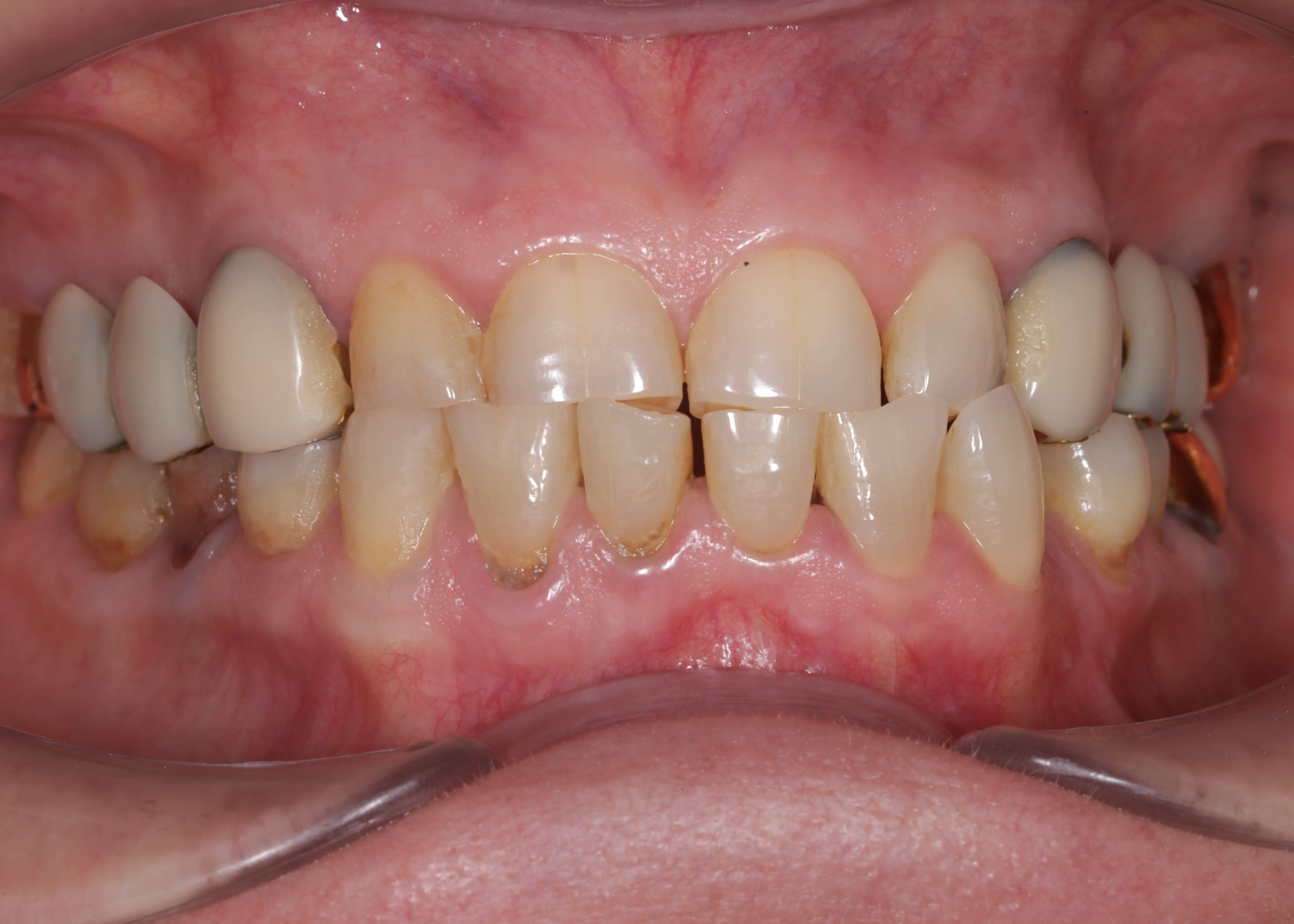
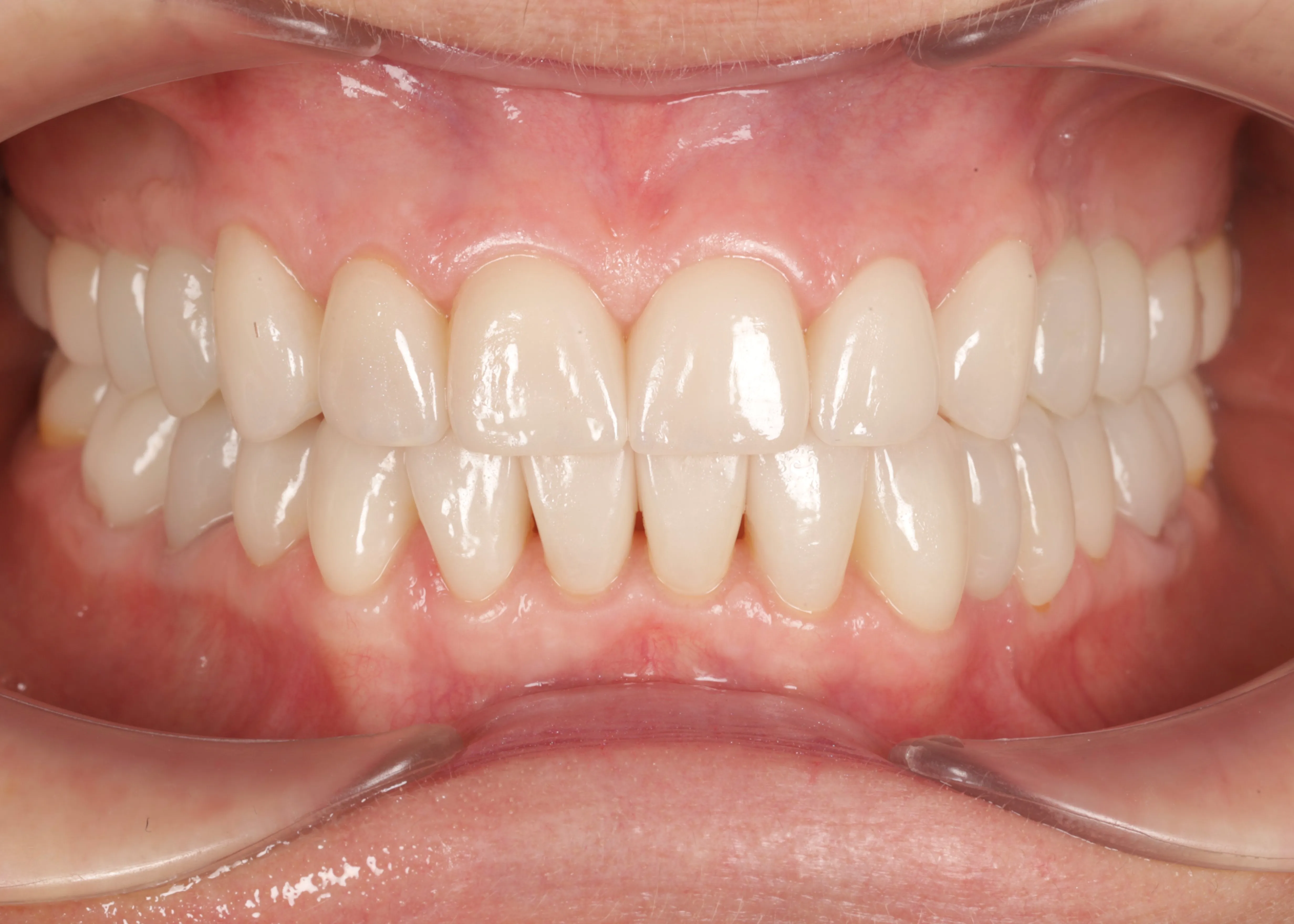

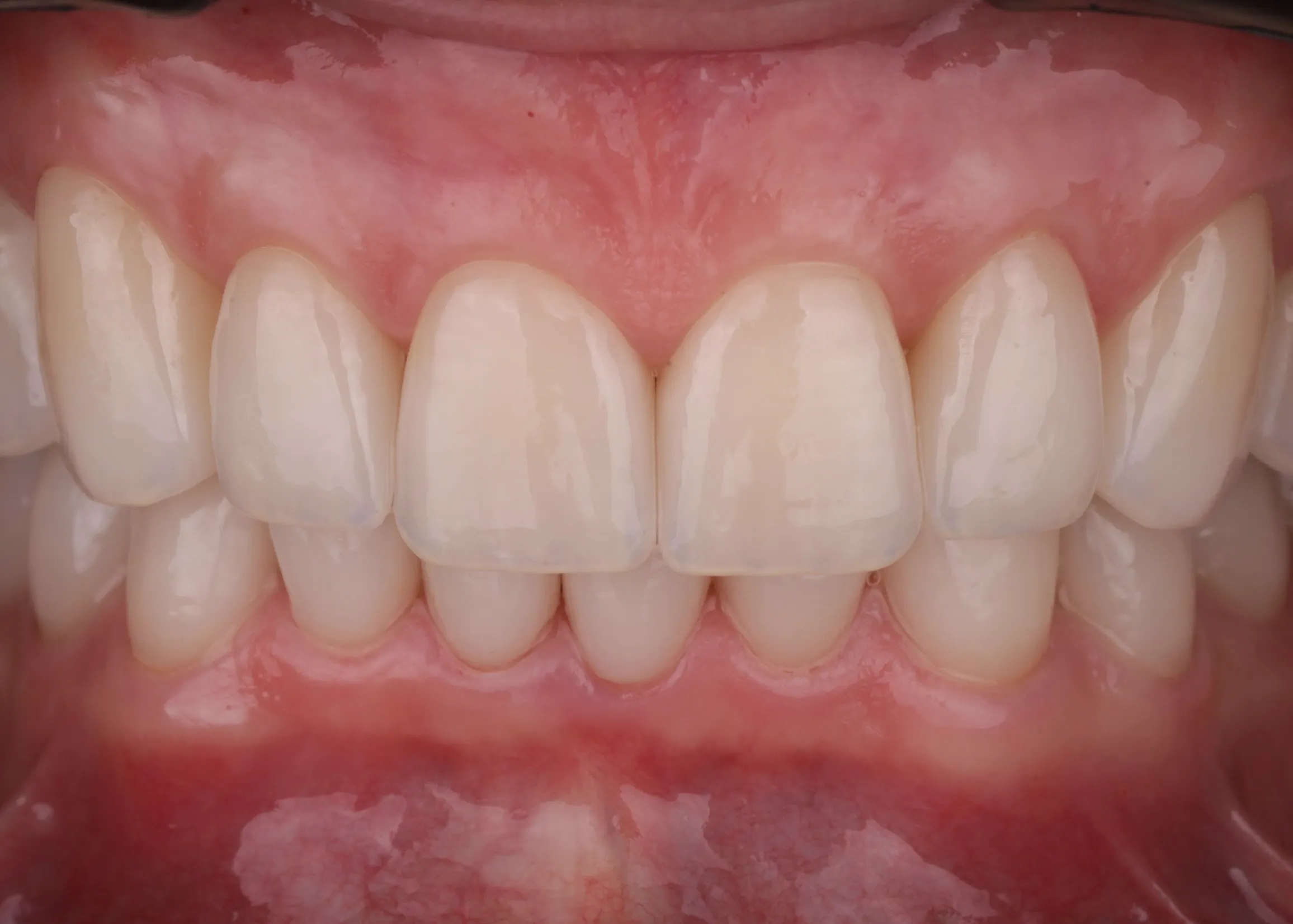
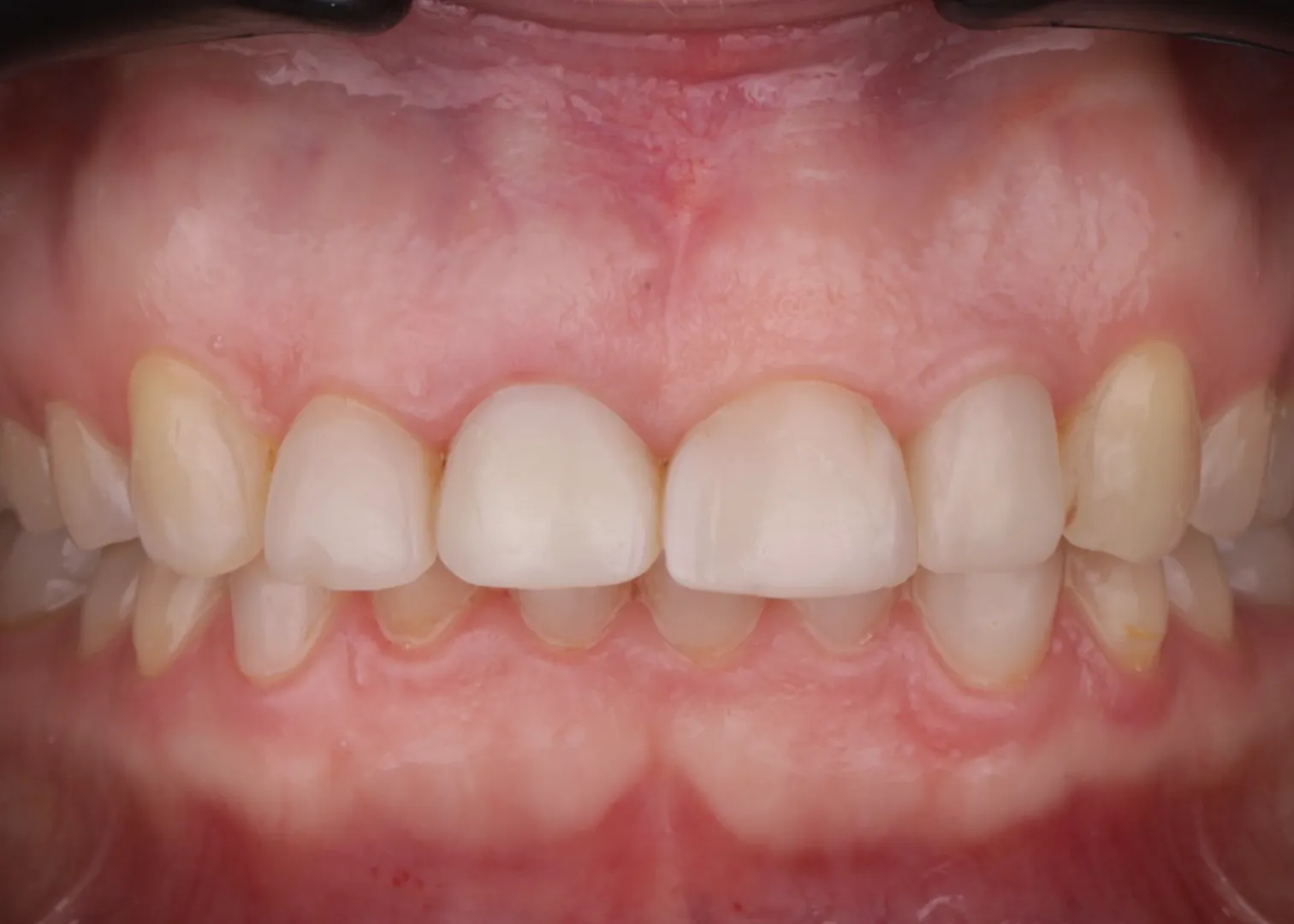
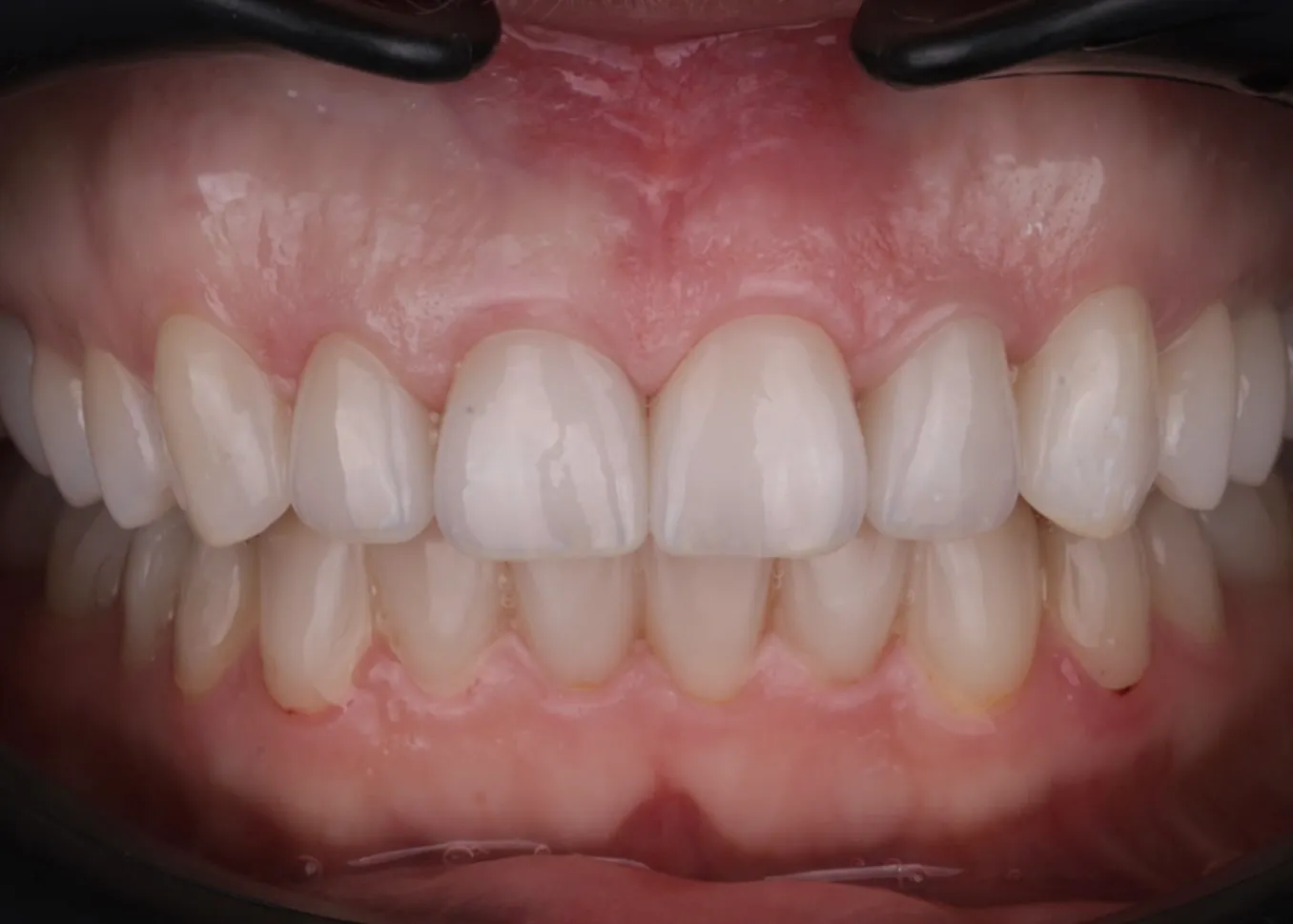
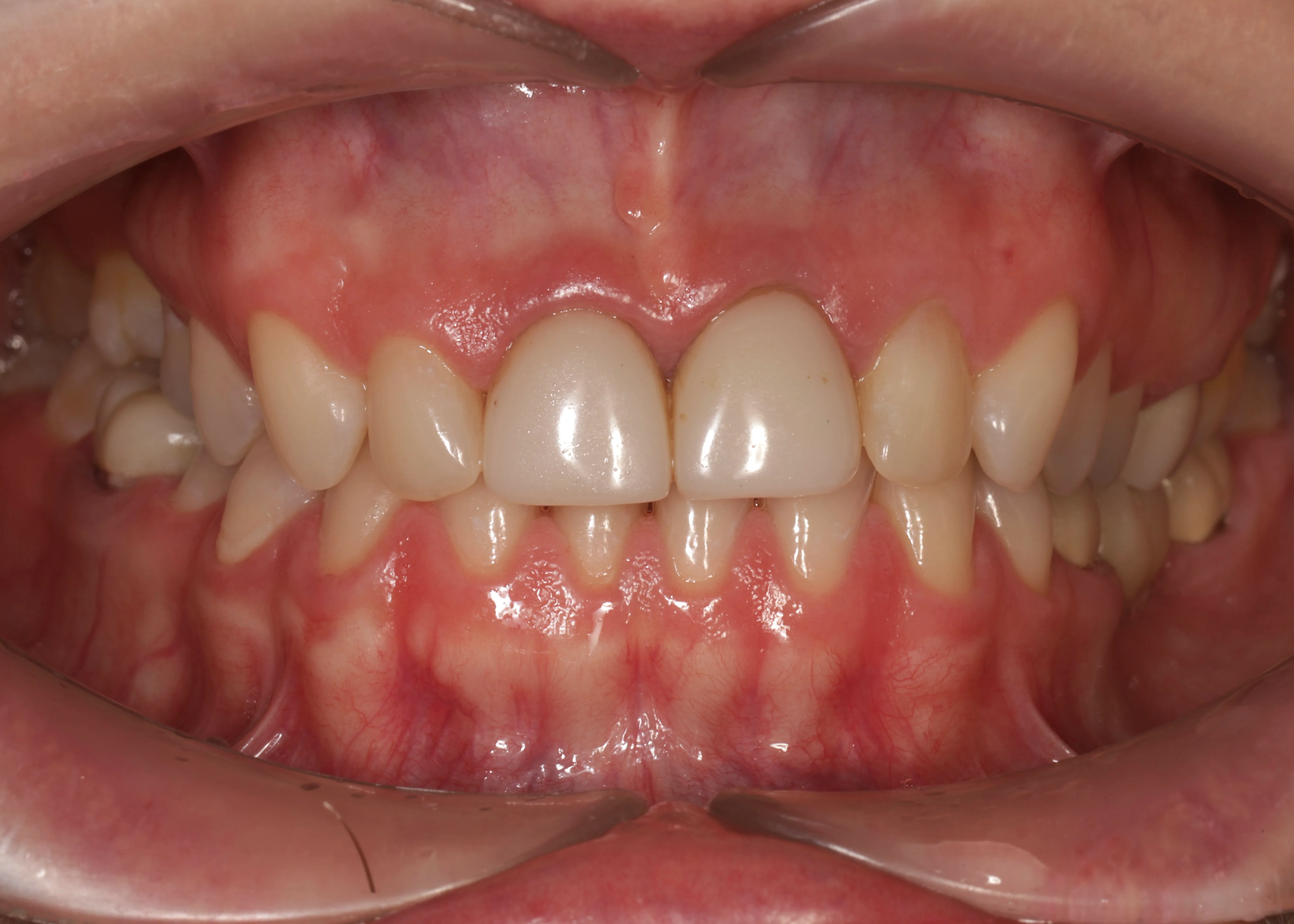
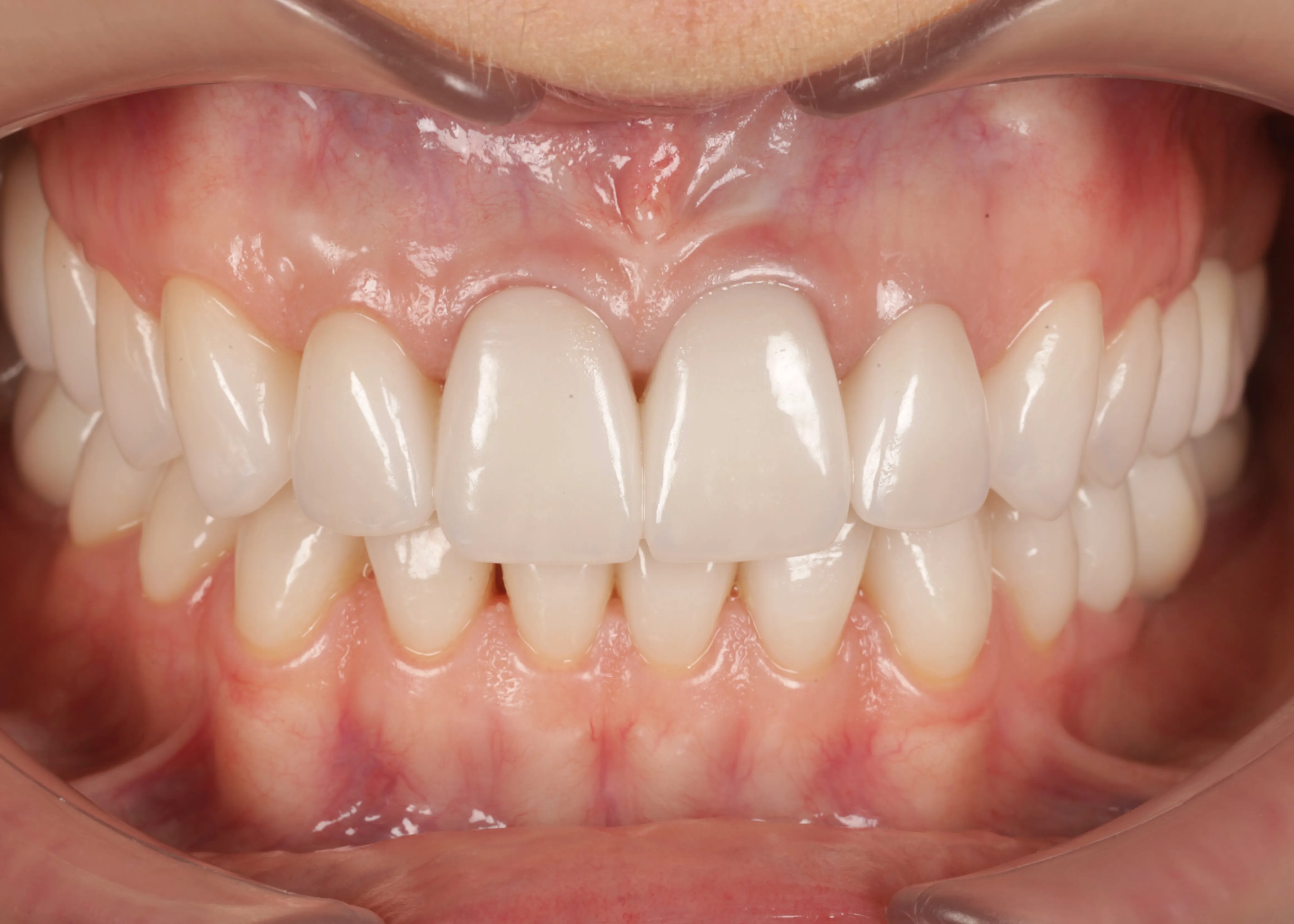
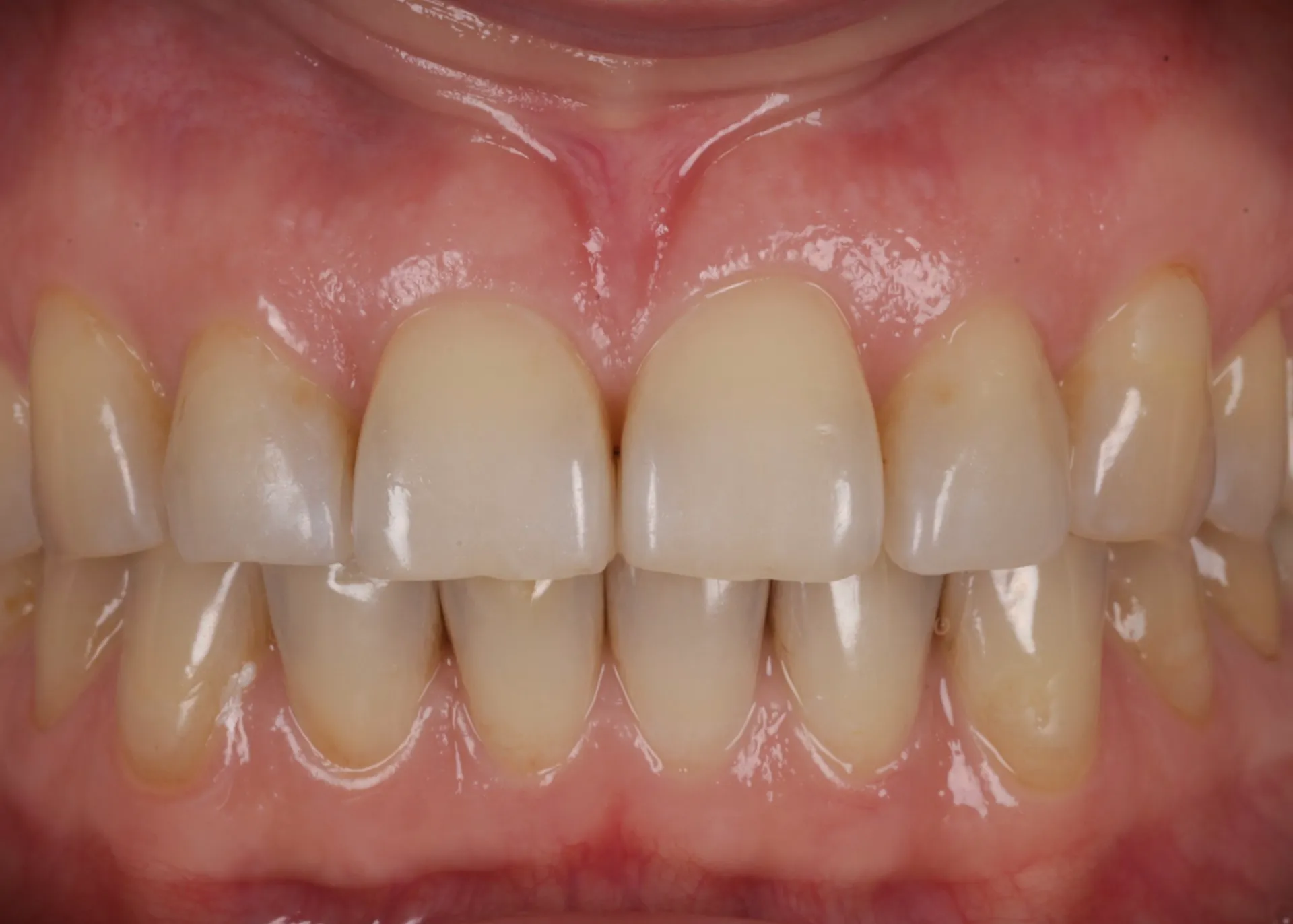
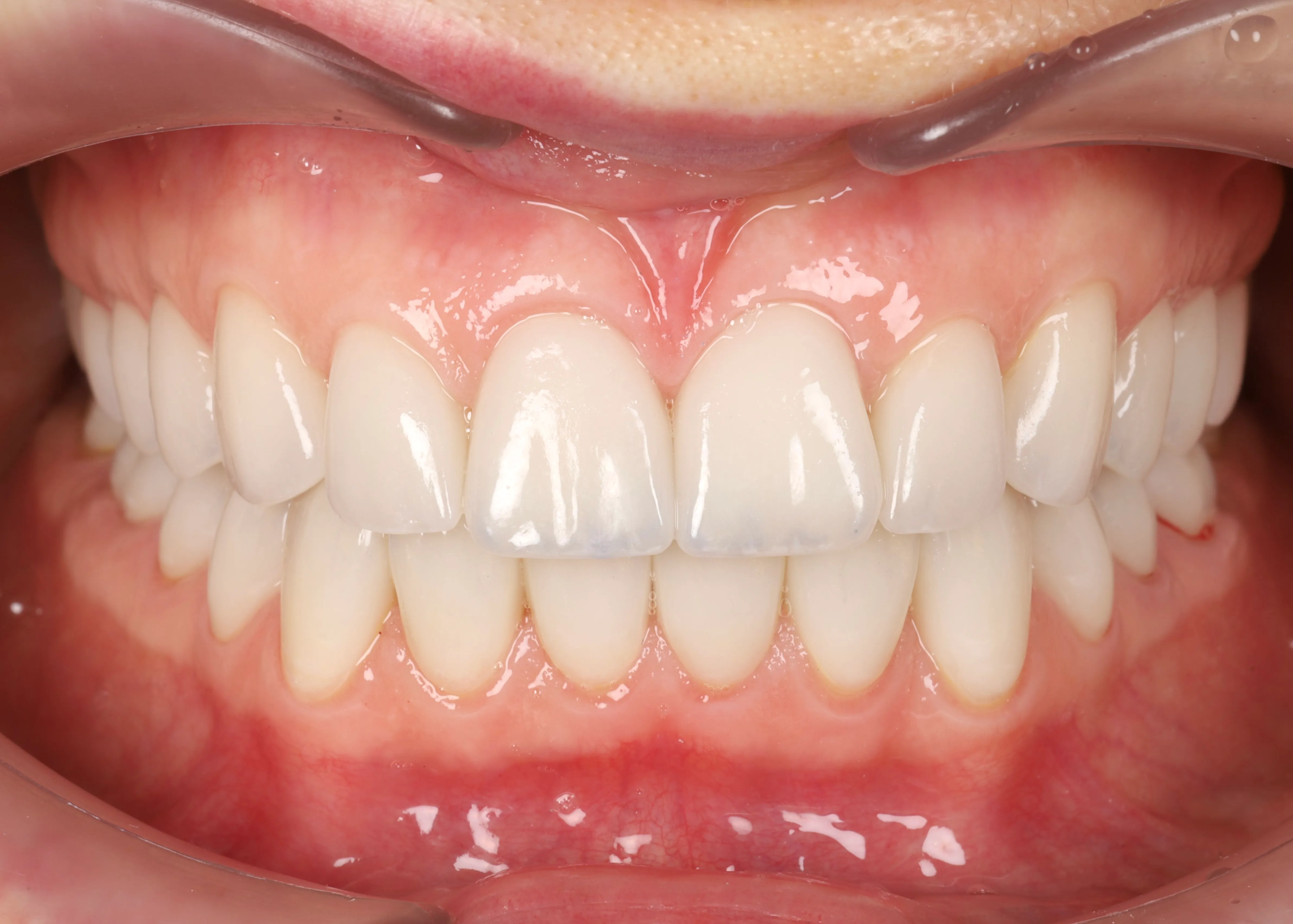

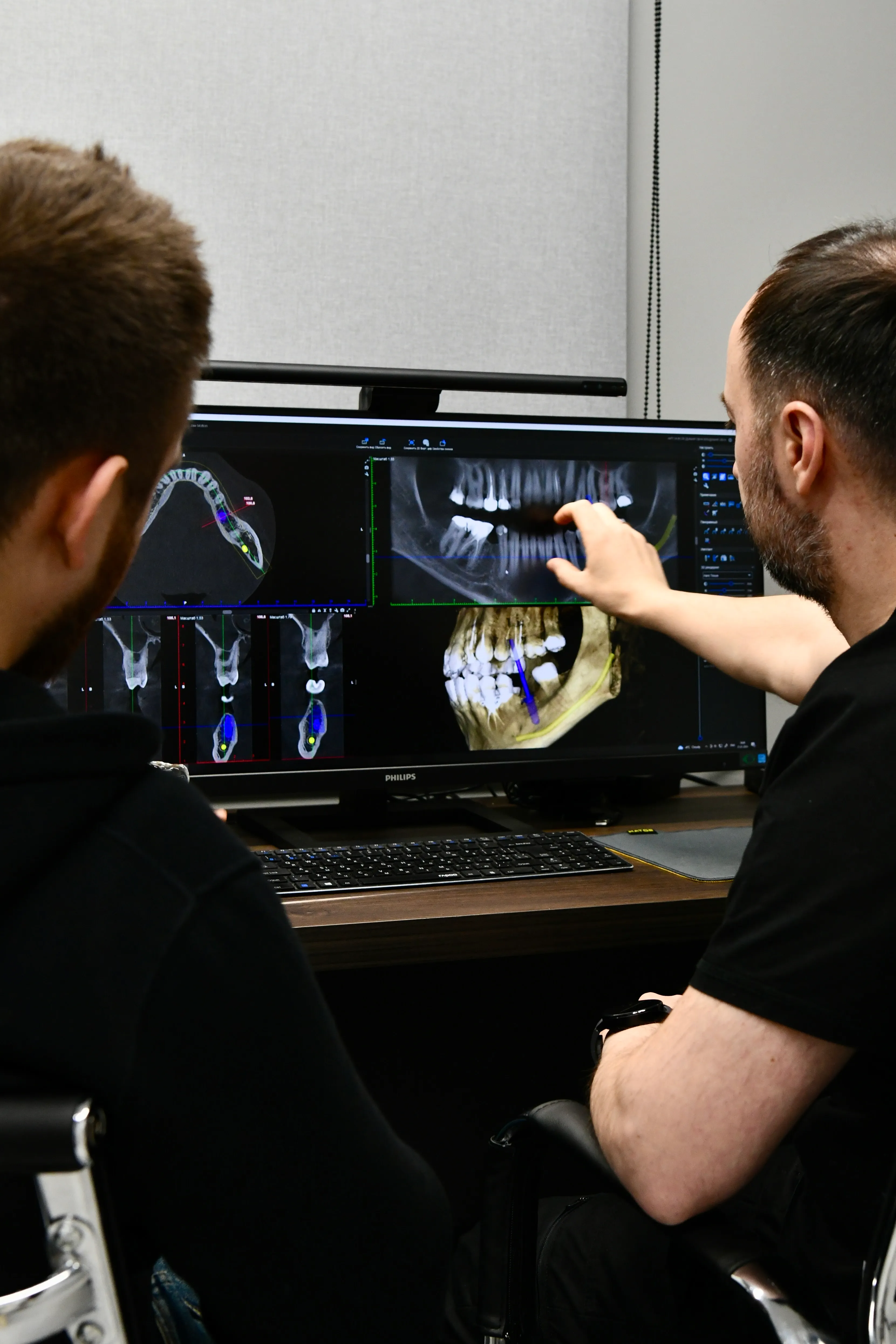
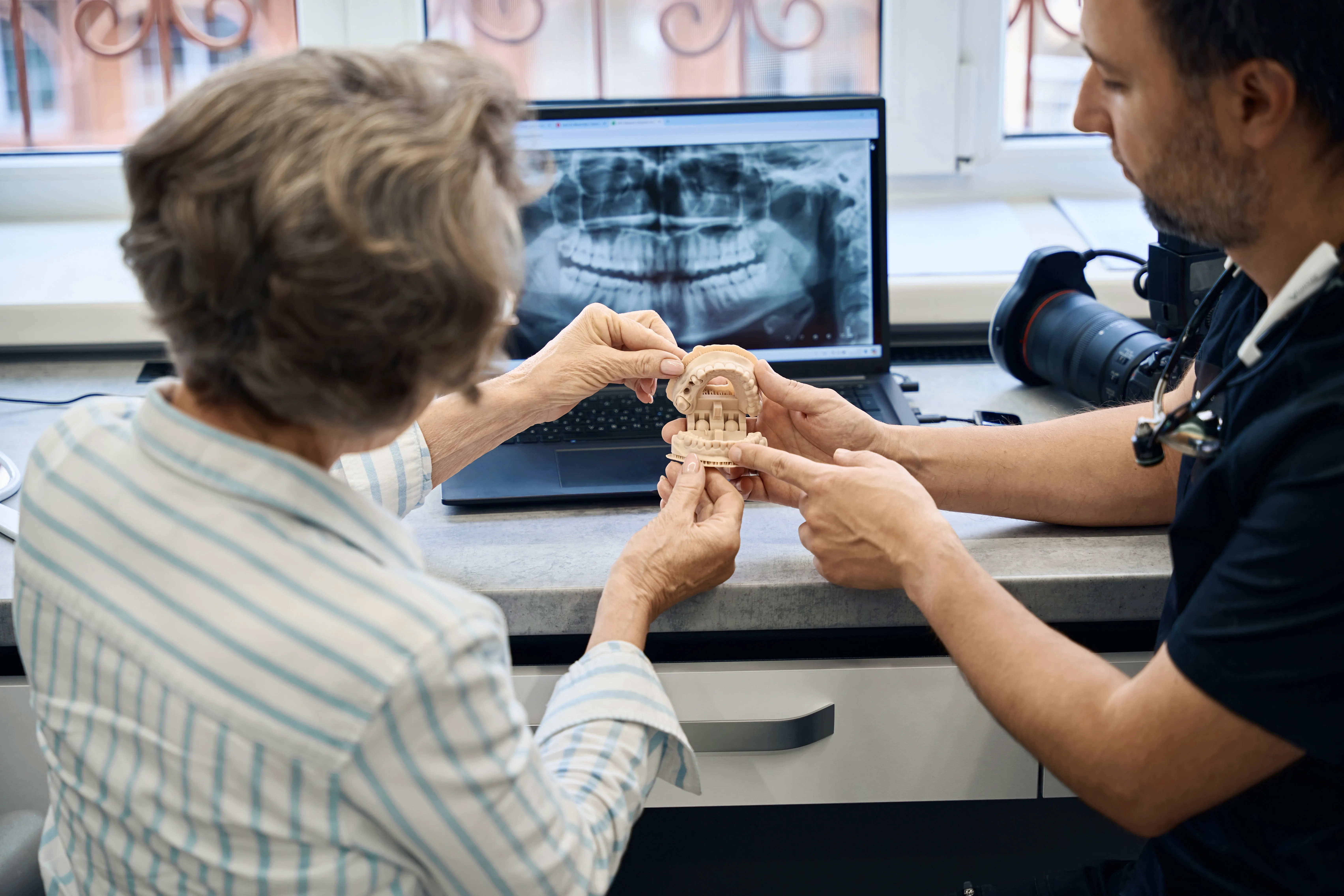

We perform comprehensive diagnostics: CT of the skull and joints, MRI of the joints, diagnostics of the chewing muscles, bite analysis, and recording of jaw movements. This helps accurately identify the cause of pain, tooth wear, and joint problems.
After stabilizing the jaw position with a splint, digital planning of the future treatment is carried out together with a digital dental laboratory — including the bite, tooth shape, and future restorations.
We provide a full treatment cycle: gnathology, orthodontics, prosthetics, and full dental rehabilitation. This makes it possible to achieve a stable functional and aesthetic result.

A common situation is when a patient complains of jaw clicking, headaches, and neck pain, or tooth wear, without realizing this is related to disorders of the chewing muscle system, jaws, teeth, and temporomandibular joints. With such symptoms, a consultation with a gnathologist is necessary. They will identify the cause of the disorders and create an effective treatment strategy using a comprehensive approach.
Digital Dental Clinic employs experienced gnathologists who will help restore normal functioning of the temporomandibular joint, teeth, and chewing muscles. Treatment involves making custom mouthguards, physiotherapy, and other innovative rehabilitation methods. Timely consultation with a gnathologist in Kyiv prevents serious complications.
Gnathology is a branch of dentistry that studies the function of the maxillofacial system and treats disorders of the bite and temporomandibular joint. A gnathologist is a narrow-profile specialist whose field is the diagnosis, treatment, and prevention of dental and jaw system disorders.
A gnathologist studies the function of jaw closure and tooth contact during movement and chewing. The specialist treats dysfunctions of the maxillofacial system, eliminates jaw load disorders that cause muscle spasms and chronic headaches, as well as pain sensations in the neck. The doctor will help eliminate bruxism and tooth wear, and will also prepare the patient for further orthodontic treatment and prosthetics.
At Digital Dental Clinic, an experienced gnathologist in Kyiv sees patients, performing detailed diagnostics, determining jaw position, and selecting treatment to achieve a stable result.
When a gnathologist consultation is needed:
Treatment started in time stops tooth wear, stabilizes jaw position, and normalizes joint function. Relaxing and restoring the chewing muscles with mouthguards eliminates the feeling of fatigue and pain. A gnathologist consultation is recommended before full-mouth restoration to determine the correct jaw position and bite height.
At the initial appointment, the gnathologist performs a detailed diagnosis. To determine the cause of the problem and effectively eliminate its consequences, the doctor uses a comprehensive approach:
The process includes an examination — the doctor checks jaw movement and determines the presence of crunching or clicking. A photo protocol is compiled, and if necessary, an MRI of the joints or other instrumental examinations may be prescribed.
A deprogrammer and special gnathological techniques are used to determine the correct jaw position. Normal functioning of the chewing muscles and the bite depend on the correct muscular-articular position.
To restore normal functions of the dental and jaw system, the clinic uses the following treatment methods:
A gnathologist works together with an orthodontist and other specialists. That's because gnathology in Kyiv is aimed at eliminating disorders that cause discomfort and pain, and only afterward is aesthetic tooth alignment performed. If you have symptoms of a disorder in the dental and jaw system, be sure to book a gnathologist consultation in Kyiv at DDC Clinic.