Schedule a consultation today. The sooner we identify the problem, the faster and easier it will be to treat.
We’ll put a smile back on your face in no time.
caries treatment is needed
the tooth is partially damaged
food gets stuck between the teeth
the tooth is chipped or there is an enamel crack
old fillings have darkened
you are not satisfied with the shape or color of the tooth
Composite restorations make it possible to restore a tooth after caries or damage, bringing back its strength and function.
The composite material is selected individually so that the tooth looks as natural and harmonious as possible in the smile.
Composite restorations gently correct cracks, chips, and irregularities, restoring the integrity of the tooth structure.
Composite restorations help improve the shape of the teeth, making them neater and more attractive without complex procedures.
Restorations hermetically seal damaged areas, preventing the development of caries and further complications.
The doctor carefully assesses the condition of the tooth, the extent of damage, and the bite, and determines the optimal restoration plan with function and aesthetics in mind. Thanks to the specialist’s experience and microscope-assisted work, even the smallest details that affect the durability of the result are taken into account.
Damaged tissues are gently removed while preserving as much healthy tooth structure as possible. The procedure is performed under a microscope for maximum precision. A rubber dam is always used — tooth isolation that ensures sterility, dryness, and improves the quality and reliability of the restoration.
The tooth is restored layer by layer using modern Japanese Estelite Tokuyama composite, known for its strength and natural aesthetics. The doctor recreates the anatomical shape, translucency, and shades of the tooth so that the restoration looks as natural as possible and is indistinguishable from natural teeth.
After the restoration is shaped, careful polishing is performed until the surface is perfectly smooth. This not only provides natural shine and aesthetics but also reduces plaque accumulation, extends the lifespan of the restoration, and supports dental health.

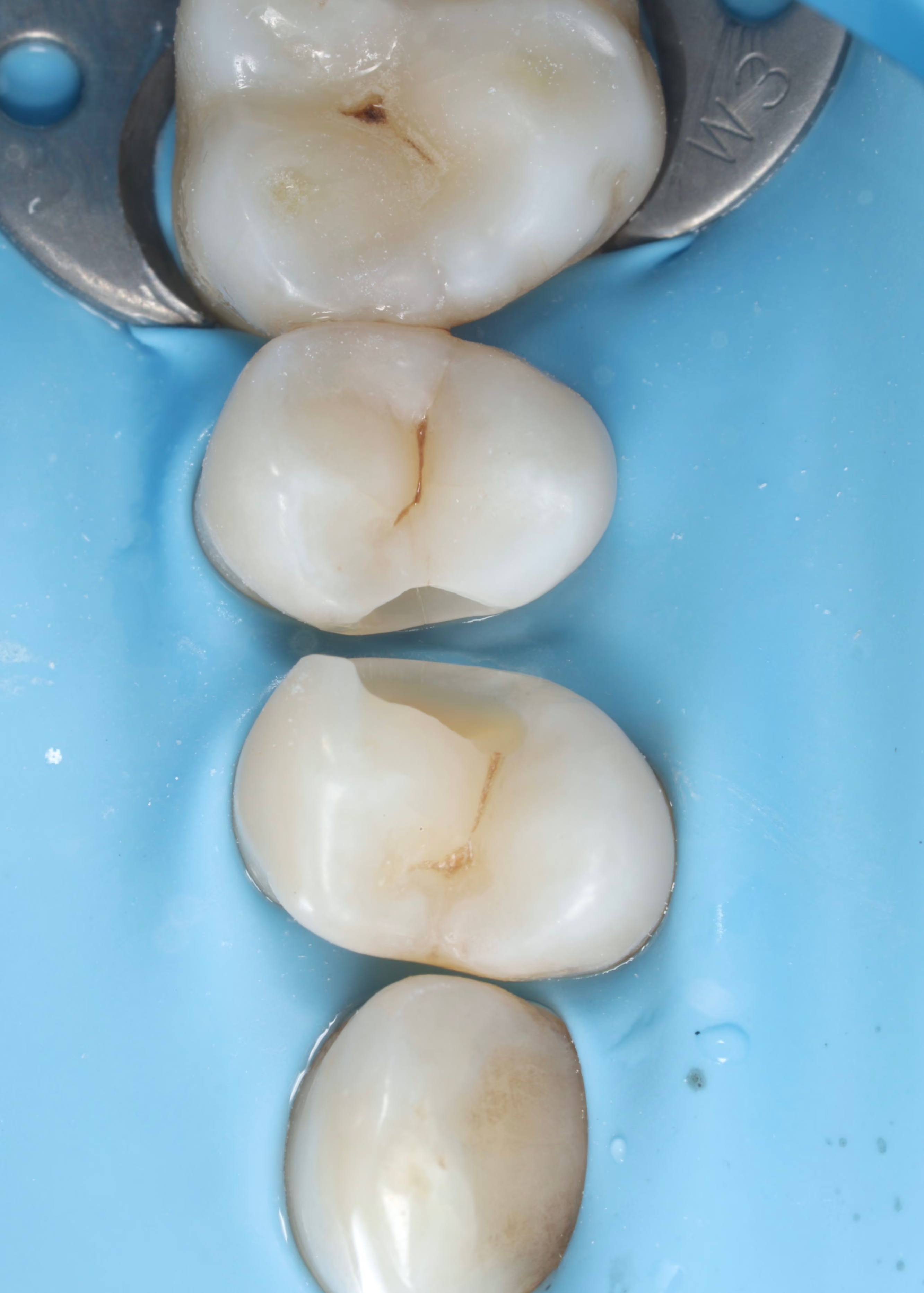
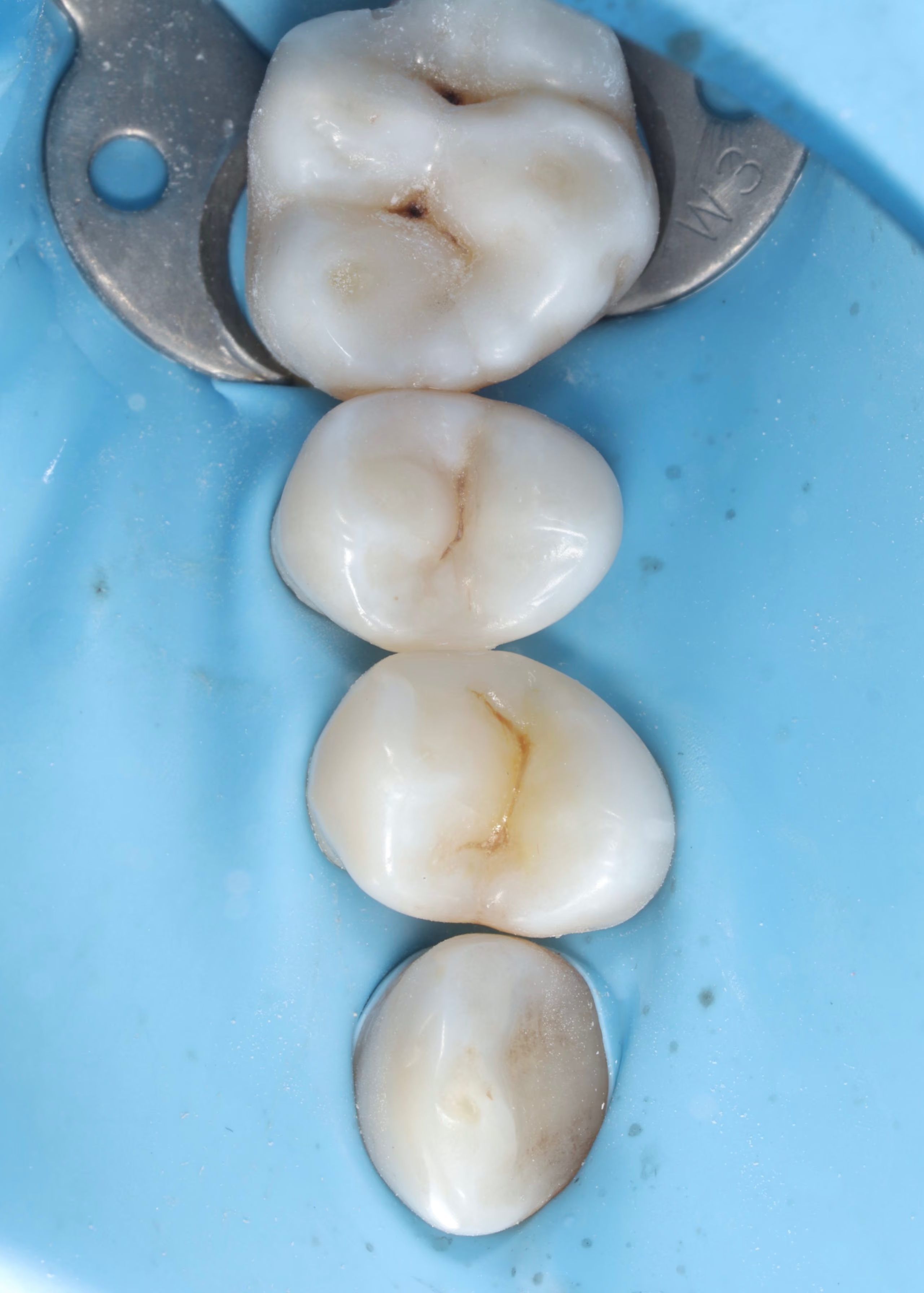
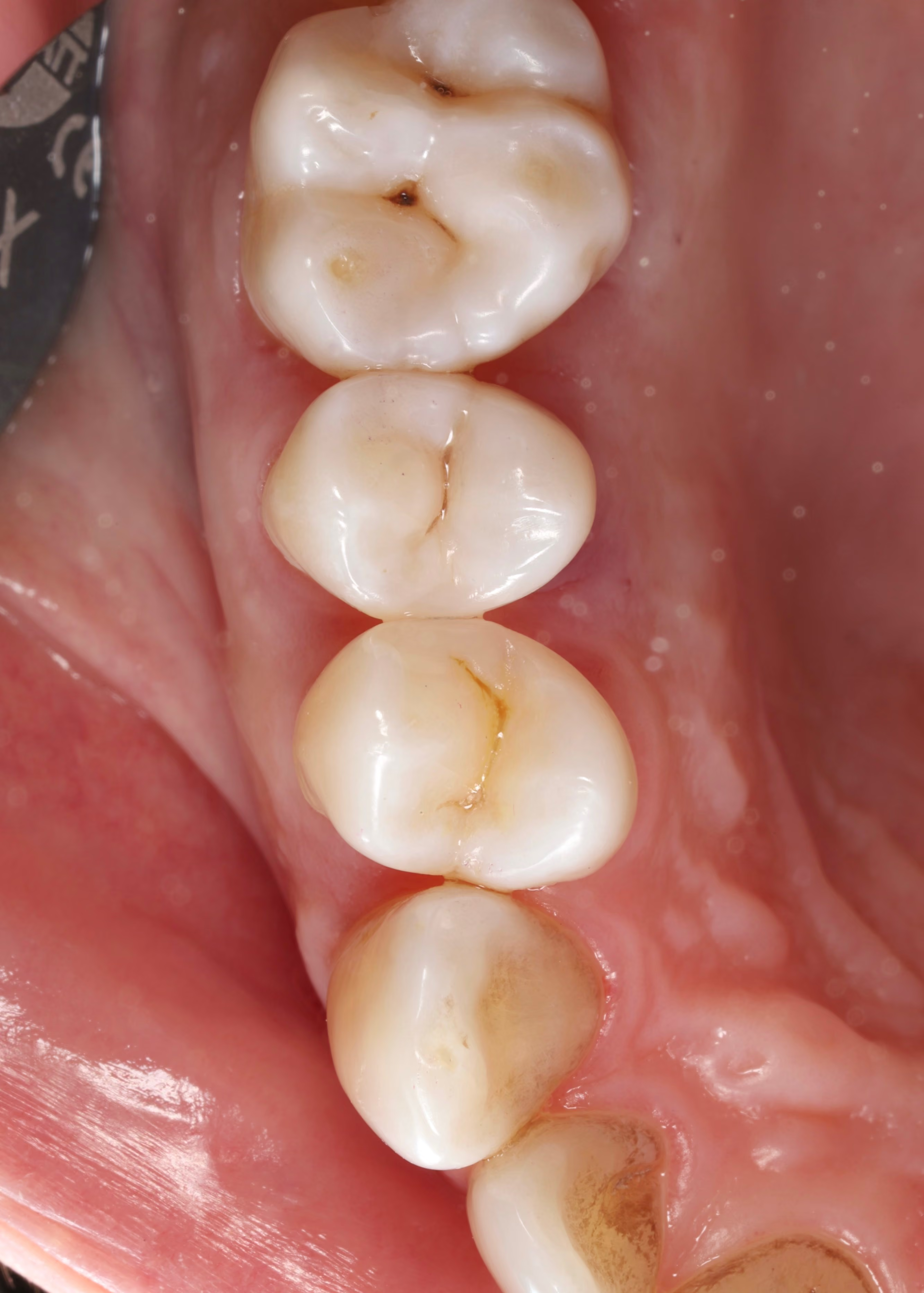
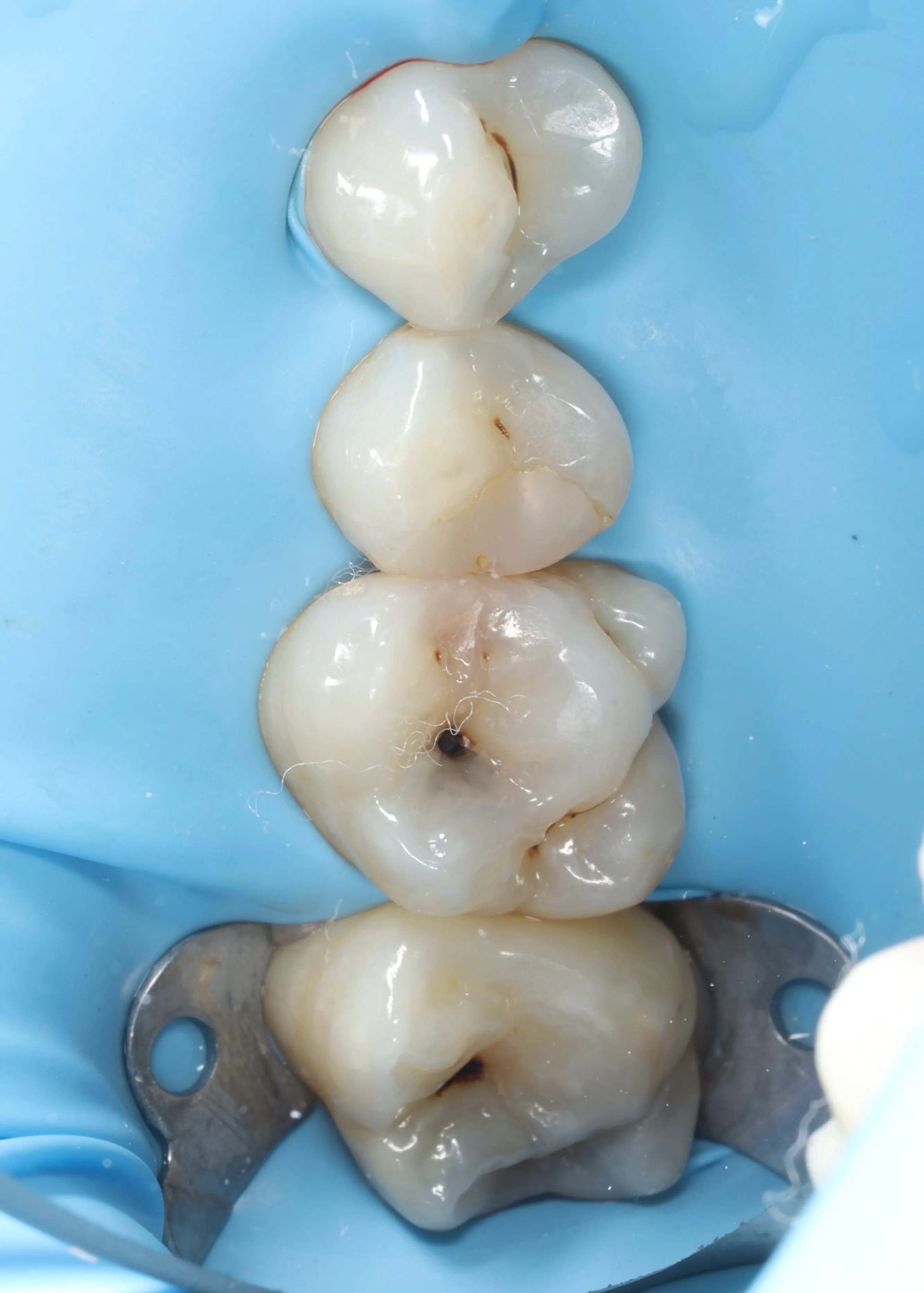
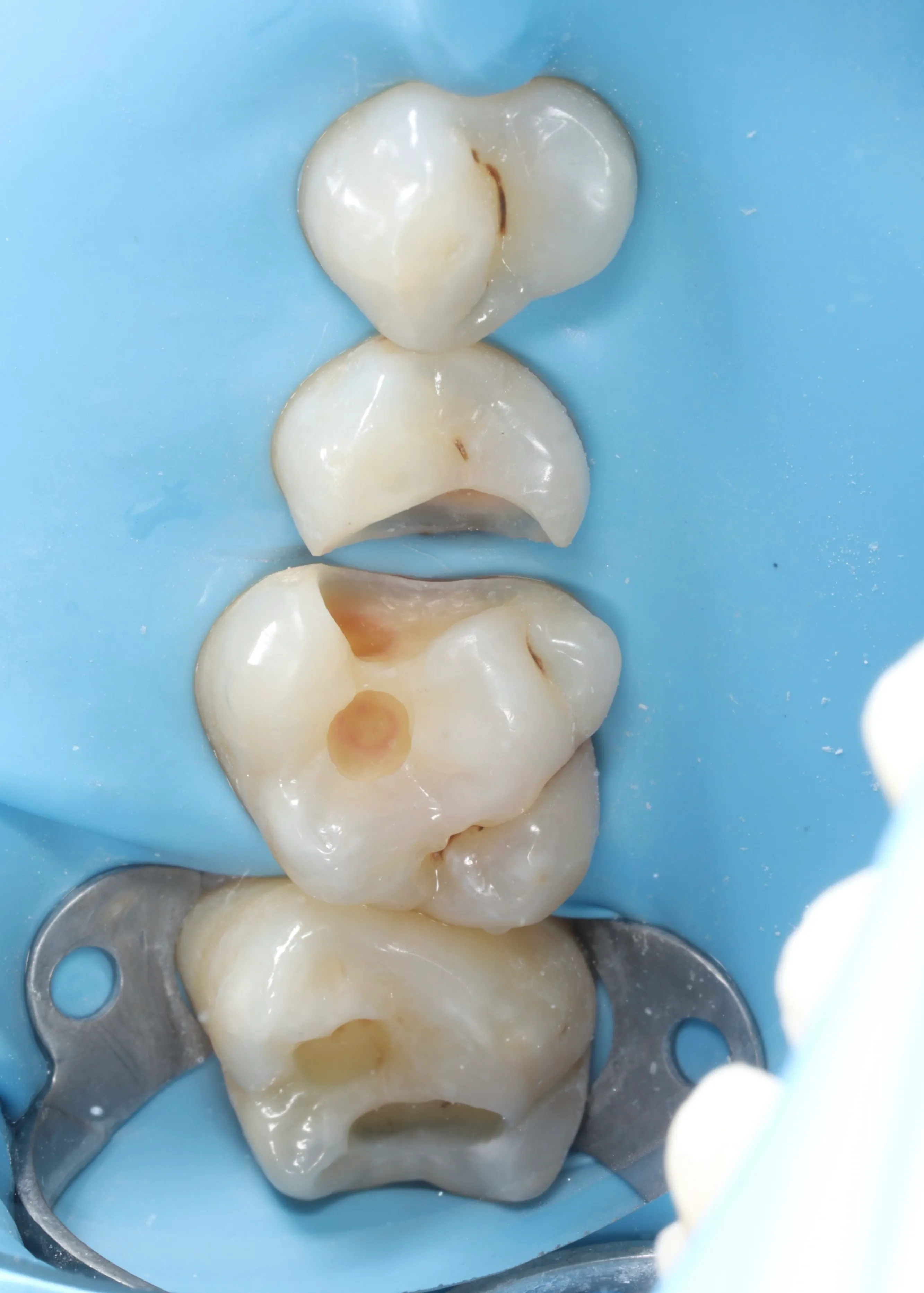
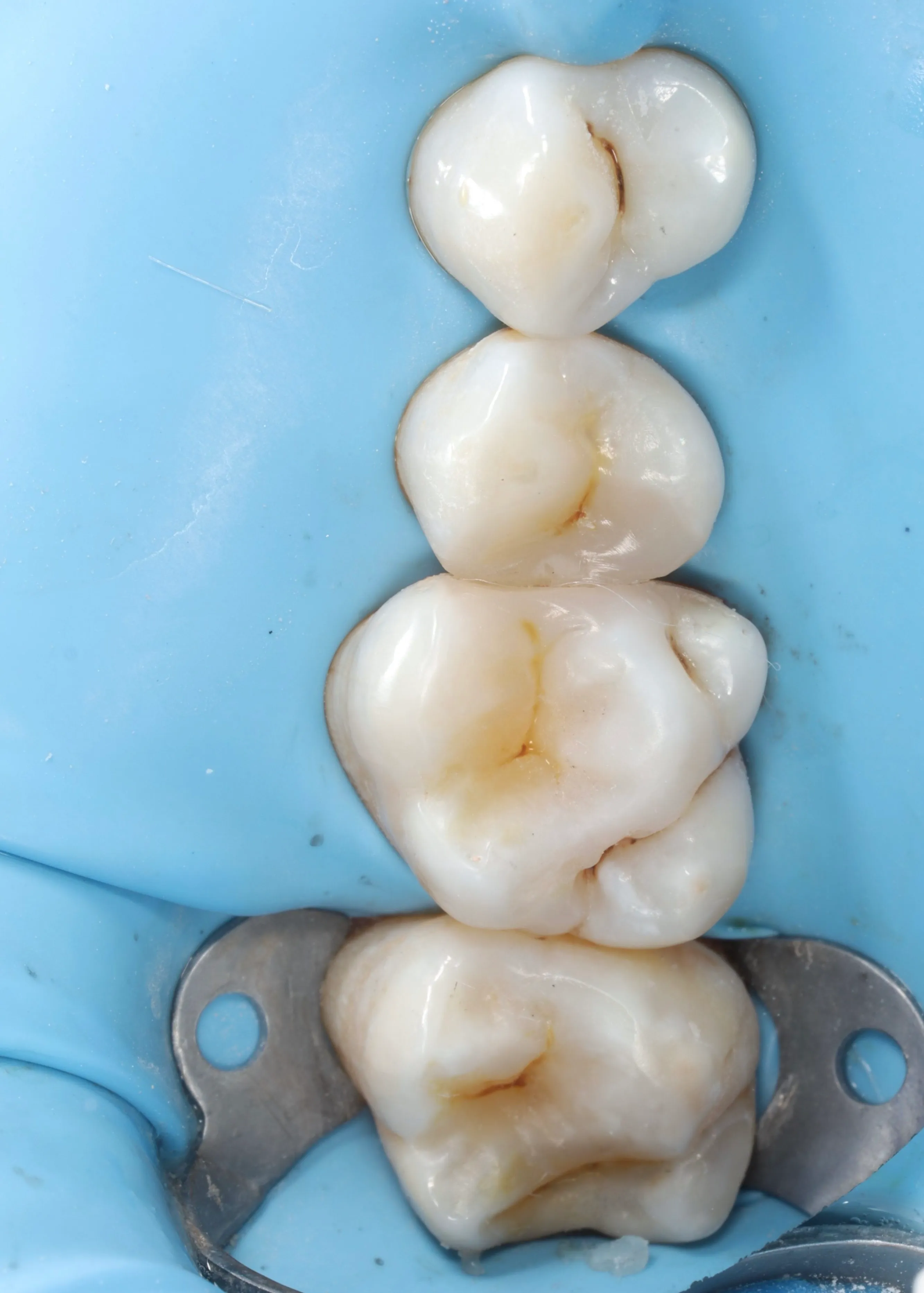
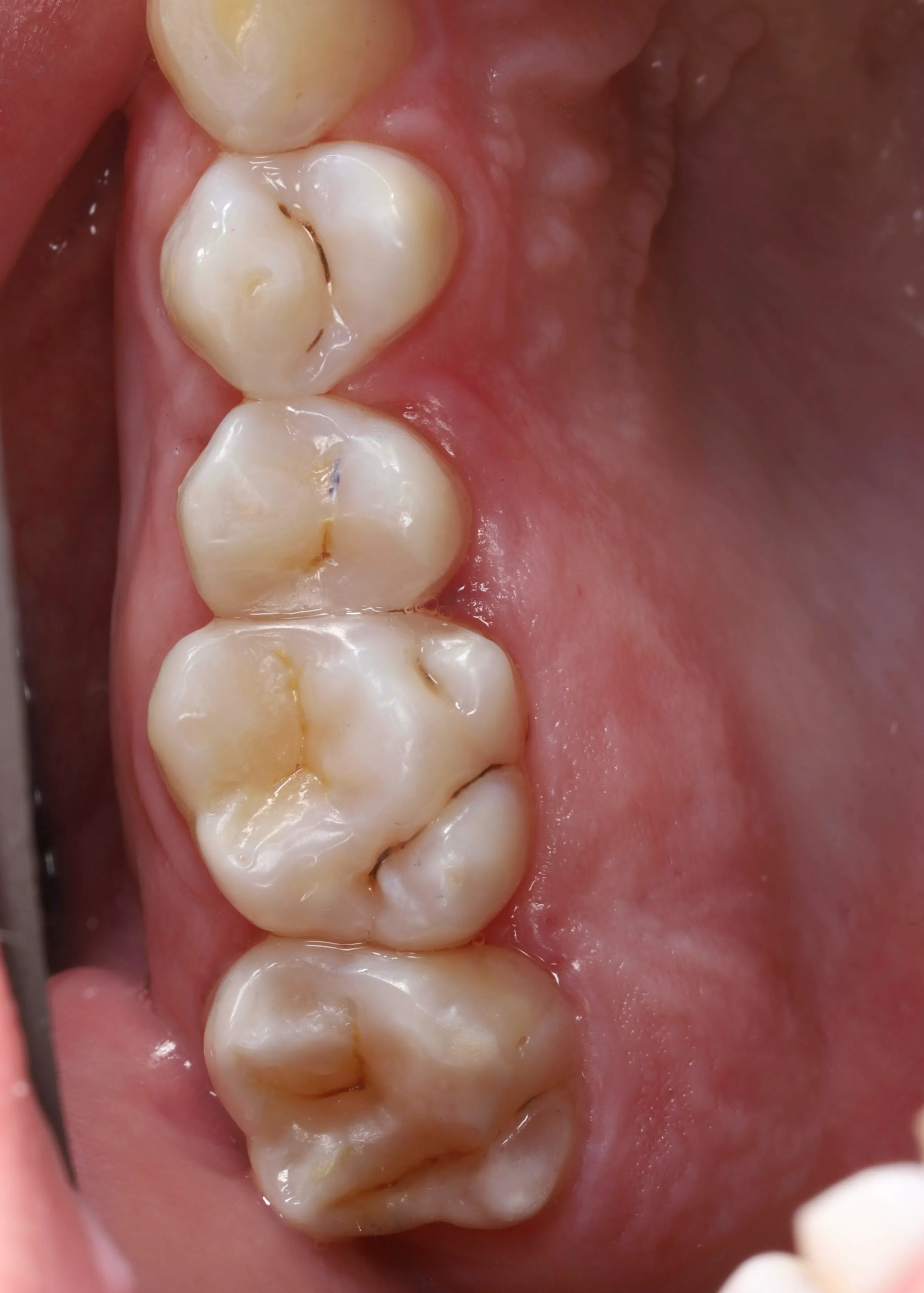
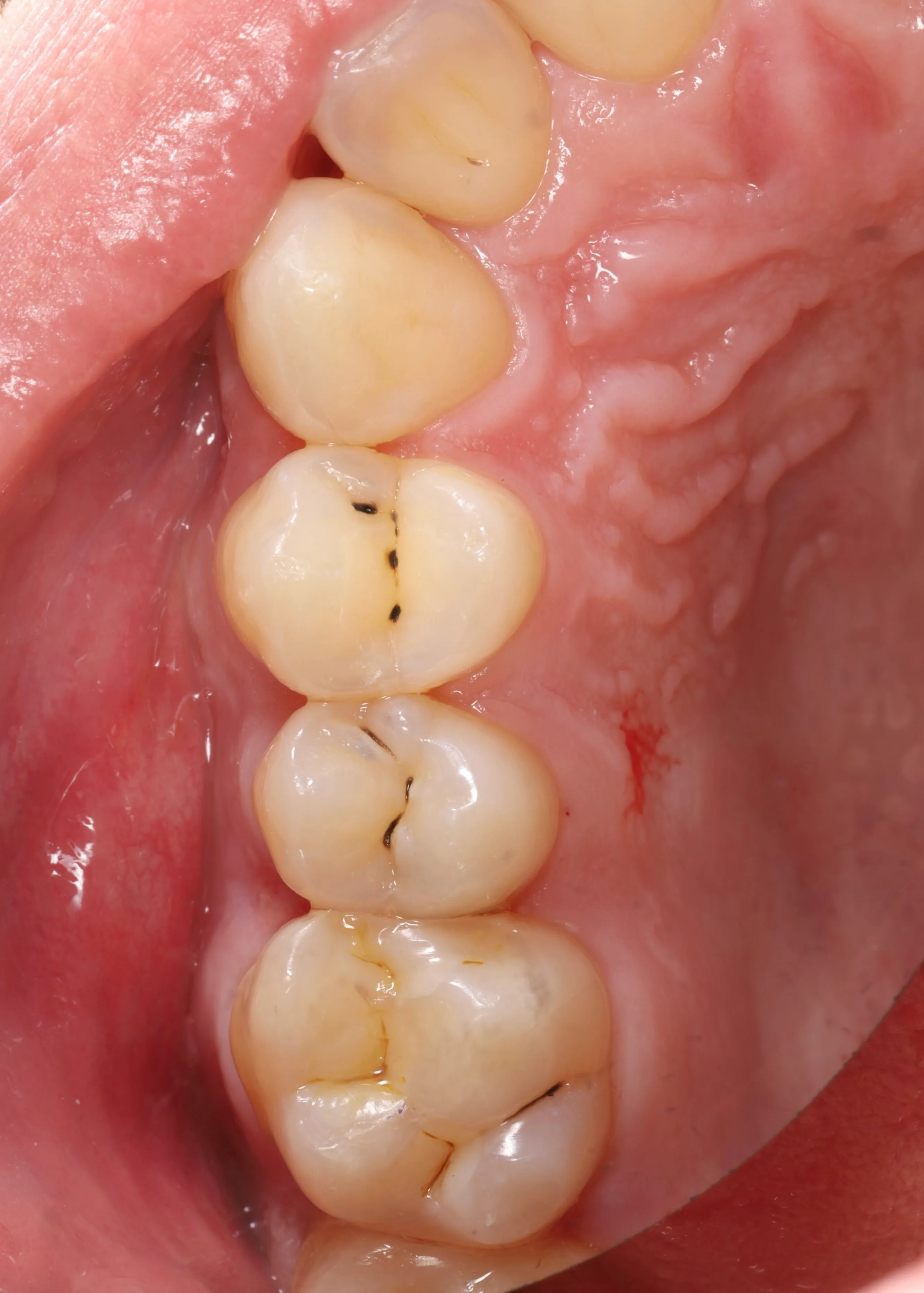


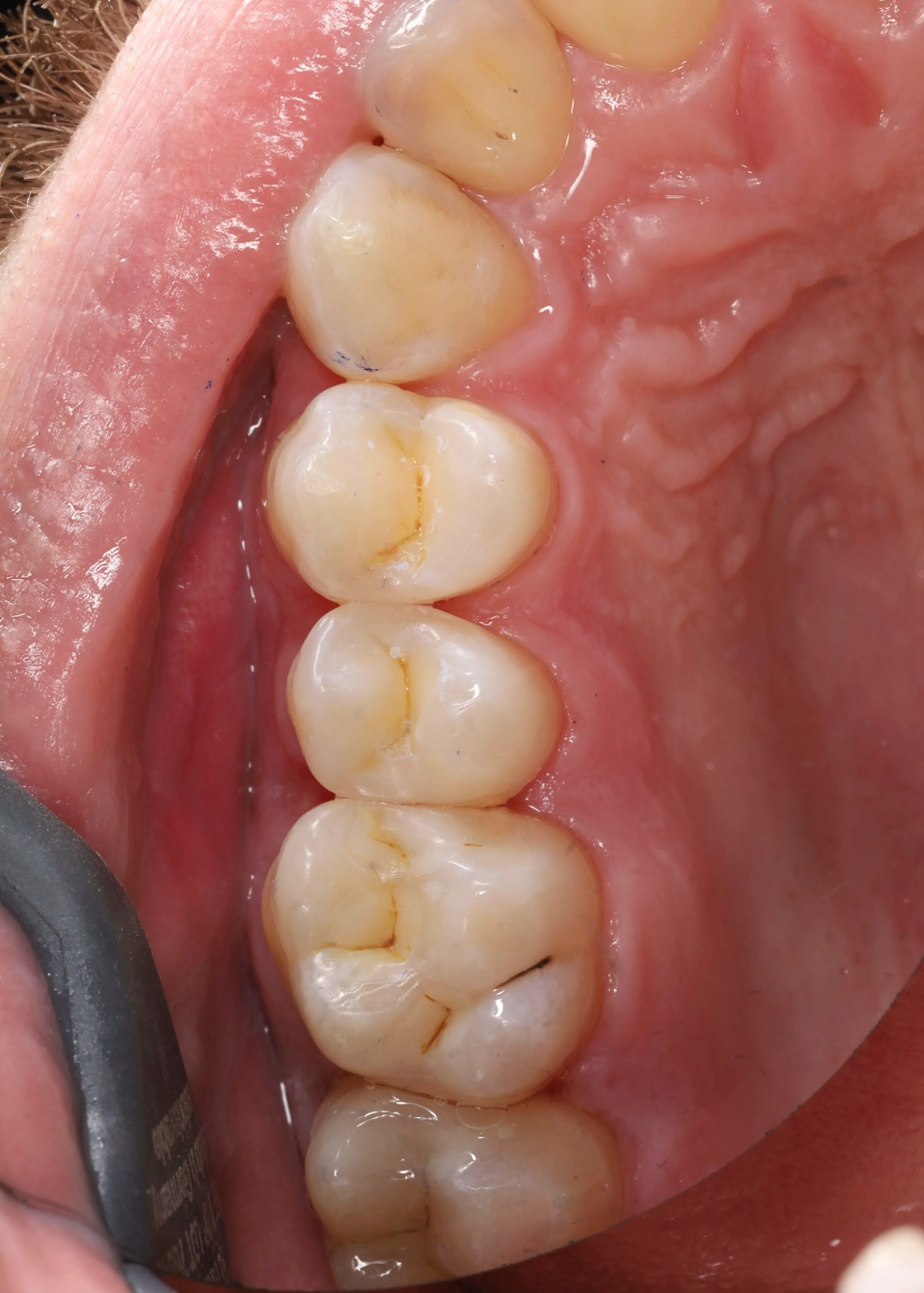
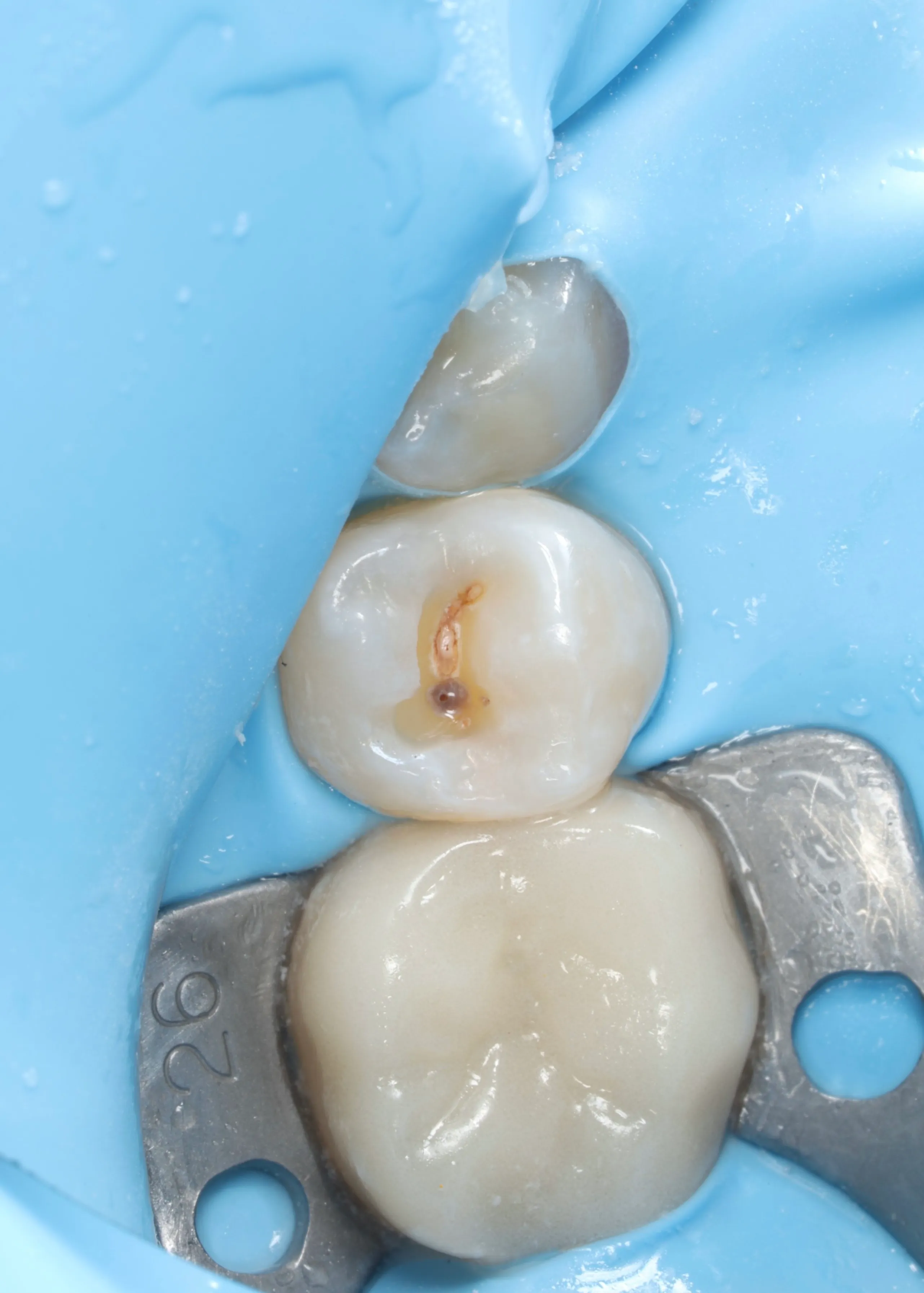


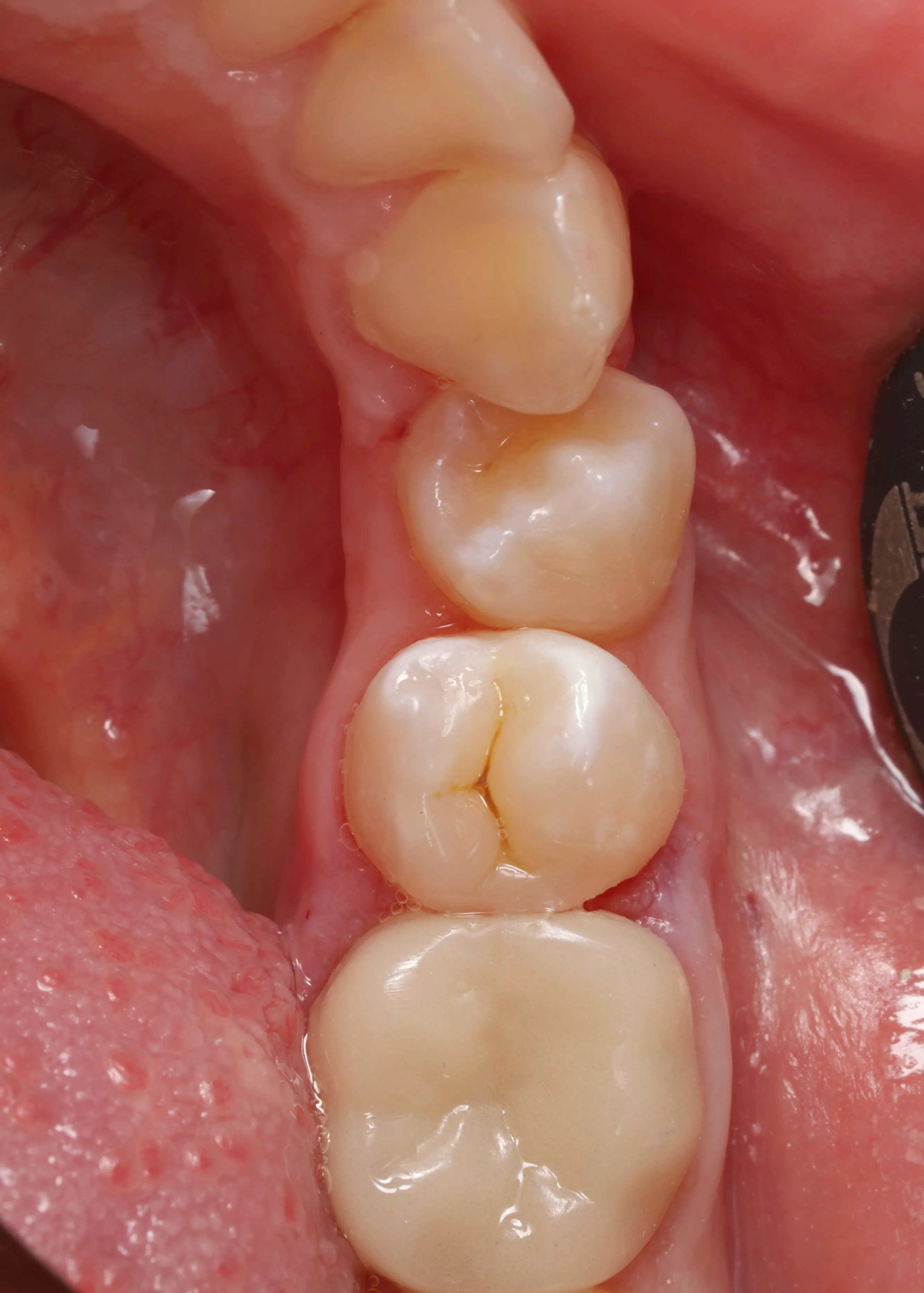

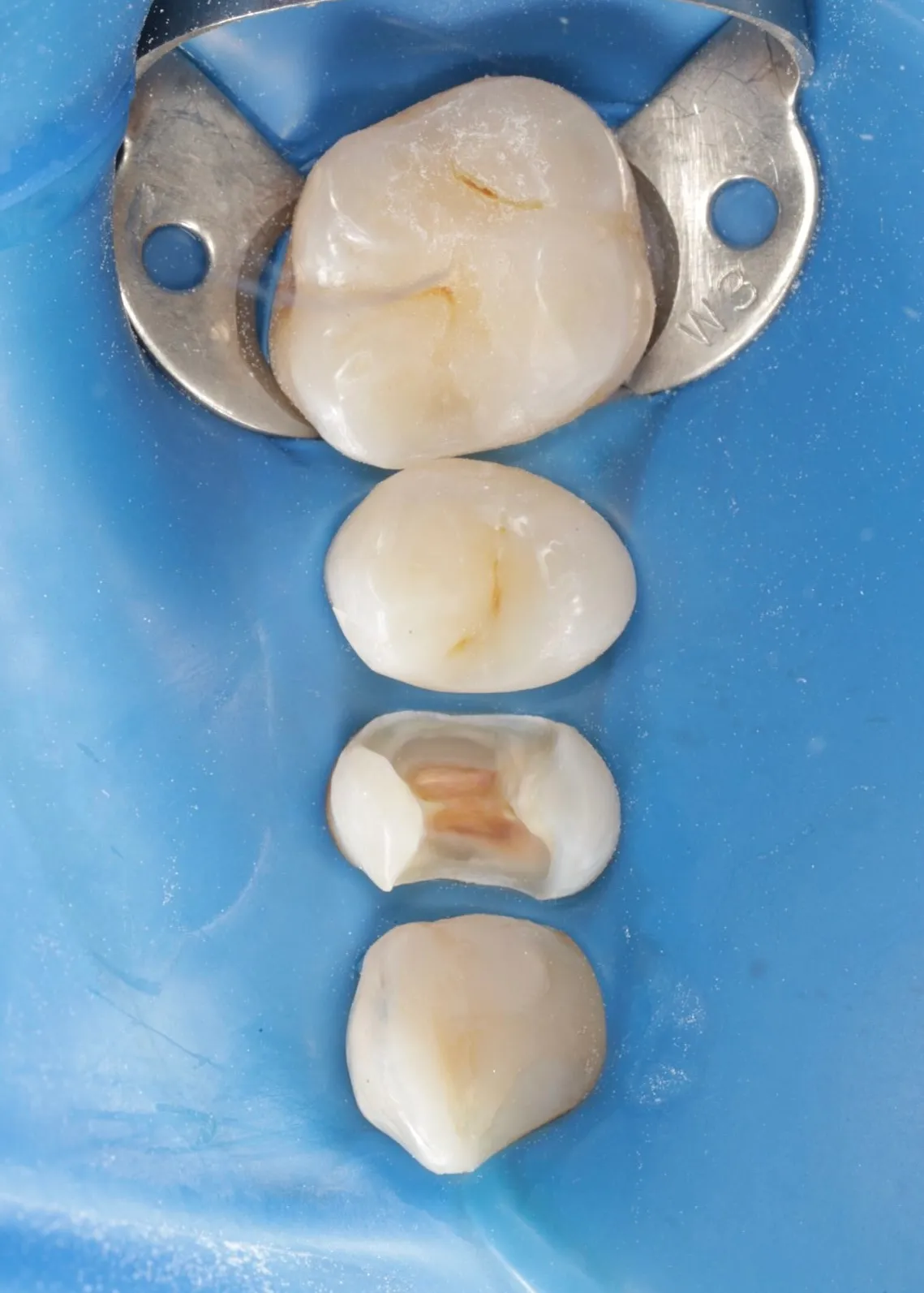
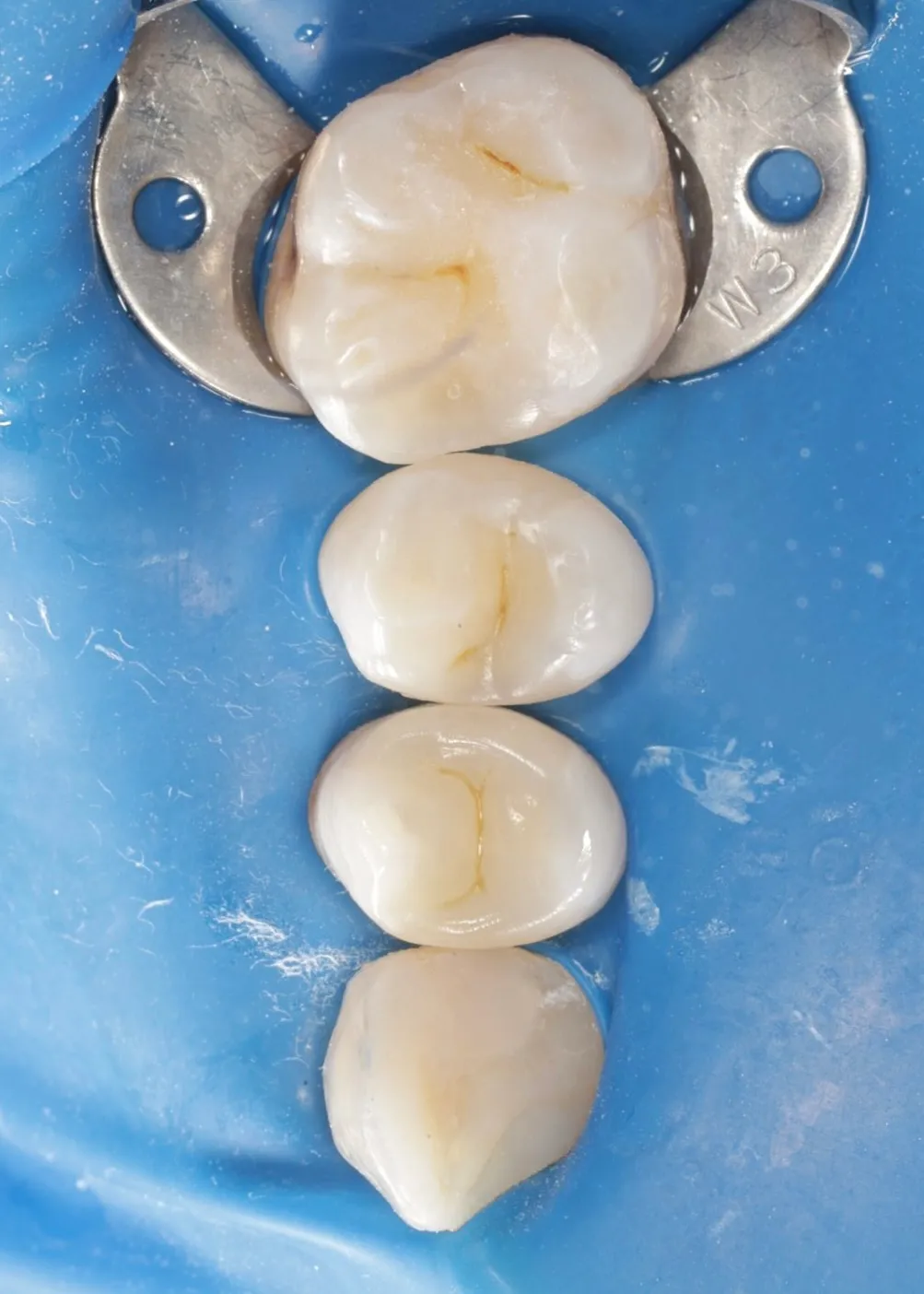





Thanks to working under a microscope, the doctor removes only the affected tissues with maximum precision while preserving the healthy tooth structure.
We use the Japanese composite Estelite Tokuyama, which combines high strength, wear resistance, and natural aesthetics, allowing us to create highly natural-looking restorations.
The color is selected individually using a spectrometer and the VITA 3D Master shade guide, allowing the shade, transparency, and depth of the natural tooth to be reproduced as accurately as possible.

The appearance of a dark spot on tooth enamel, a sudden chip, or sharp discomfort while chewing food prompts an immediate visit to the dentist. The doctor assesses the condition of the tissues and determines exactly which type of restoration will fix the existing defect.
Modern dental care allows for precise reconstruction of a tooth's anatomy in just a single visit. The procedure isn't limited to simply filling an empty space with material — specialists fully recreate the tooth's natural texture. The restored crown is visually indistinguishable from the neighboring teeth in the row.
Traditional tooth filling is designed to fill small cavities that form after tissue has been thoroughly cleaned of infection. This procedure restores chewing function and protects internal structures from bacteria.
Artistic tooth restoration is a more complex process of rebuilding lost shape. This procedure is necessary in cases of significant damage to the crown portion, noticeable enamel chips, or defects in the front (visible) zone.
The dentist selects the optimal treatment method after a detailed examination of the patient's oral cavity. The extent of bone tissue damage and the location of the pathological process directly influence the choice of treatment approach.
Modern composite tooth restoration makes it possible to restore tooth strength even with significant loss of natural tissue. A properly placed filling reliably seals the cavity, preventing the development of repeat inflammation in the deep layers of dentin.
When the volume of a decayed tooth exceeds one-third, this constitutes major damage — and in this case, direct aesthetic restoration is required. This procedure is also used for chipped teeth or defects in the front row. If a regular filling can't restore the shape and shade, a composite technique with layer-by-layer application of material is used. The visual appeal of the smile zone is restored through the dentist's precise, jewelry-like work with material shades.
Timely visits to the dentist help avoid serious dental complications and keep the tooth's root alive. Dental intervention is carried out based on clear clinical signs or the results of an X-ray examination.
The development of an infectious process destroys tooth enamel and creates favorable conditions for the spread of pathogenic microorganisms. The main indications for therapeutic or aesthetic restoration of the crown portion include:
Ignoring even minor defects is risky because of how quickly a pathology can progress. A small area of enamel damage rapidly turns into a deep cavity, which leads to infection of the pulp. Timely tooth restoration prevents the need for lengthy root canal treatment. Placing a filling stops further destruction of the crown walls.
Standard filling is used for small cavities. Composite restoration is recommended for noticeable tooth defects — this is especially relevant for the front segment, where aesthetic precision matters most. At DDC Clinic in Kyiv, the dentist selects the method after examination and diagnostics.
Specialists at DDC Clinic in Kyiv use composite material from the leading Japanese brand Estelite Tokuyama, which combines high strength, wear resistance, and natural aesthetics. The process involves careful, layer-by-layer application of material, allowing for detailed reproduction of the optical properties of natural dentin and enamel.
The dentist performs an individual tooth shade selection using a spectrometer and the VITA 3D Master scale, taking into account the patient's natural features. The doctor precisely recreates the texture and translucency of the tooth — nuances that are especially important for the front section. Artistic composite restoration of the dental row looks completely natural under any lighting.
The clinic's doctors in Kyiv work according to the principle of minimal intervention: only damaged tooth tissue is removed, while healthy areas are preserved as much as possible. Minimizing tissue loss is critical for the longevity of the result. The advantages of composite restoration include:
Properly performed filling completely eliminates the appearance of sensitivity to temperature stimuli after the procedure is finished. The aesthetic appearance of the dental row restores the patient's psychological comfort and freedom of communication.
A quality restoration at DDC Clinic lasts for many years with proper care — the lifespan of the restoration ranges from 7 to 15 years.
Treatment at DDC Clinic begins with an examination and assessment of the tooth's condition. The dentist checks the depth of decay, the state of the enamel, and the extent of damage. If a filling is needed, the appropriate material and method are selected.
After anesthesia, the dentist removes the damaged tooth tissue and isolates the working area. This is necessary so that the filling or the layers of material used in composite restoration adhere tightly to the surface.
Next, direct layer-by-layer restoration is performed. The material is polymerized using a special light. After this, the dentist adjusts the shape of the tooth, then grinds and polishes the surface. For the front segment, the enamel shade and natural contour are taken into account.
To summarize, here's how the intervention proceeds during tooth restoration. Treatment stages:
In most cases, filling and restoration are completed in a single appointment. After treatment, the dentist checks tooth contact and comfort when the jaws close. For front teeth, aesthetic symmetry of the smile is also important.
The cost of the dentist's work is influenced by the size of the cavity, the number of surfaces involved, the complexity of treatment, and the composite material chosen. If restoration of a front tooth is needed, the extent of reconstruction and the level of aesthetic precision required are also taken into account.
At DDC Clinic in Kyiv, the exact cost of treatment is determined after an examination. The patient immediately knows how much a filling, a new filling, or a restoration will cost.
Timely filling or restoration allows you to preserve tooth tissue and avoid more complex treatment down the line. If you've noticed a chip, discoloration, or a defect in your front teeth, book a consultation at DDC Clinic. Aesthetic and functional restoration is completed in a single visit.