Periodontitis: symptoms, causes, and treatment
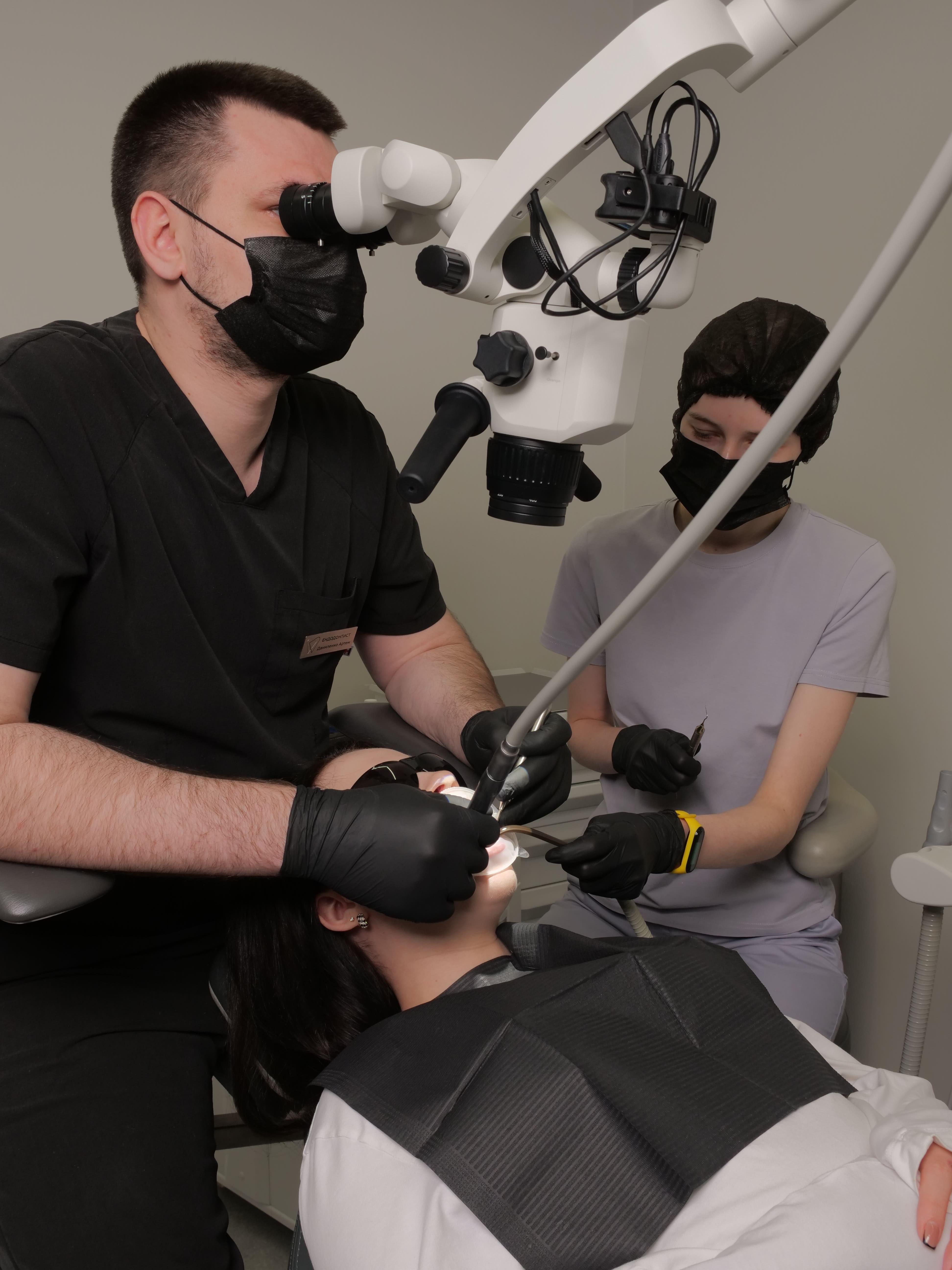
Bleeding gums and increased tooth sensitivity are perceived by many as a temporary discomfort. When teeth start to become loose, a person suspects something serious, but often postpones a visit to the doctor. That's a mistake, because it may be a sign of a treacherous disease — periodontitis. This is one of the most common oral diseases, which inevitably leads to tooth loss if left untreated.
Ignoring gingivitis (gum inflammation without disruption of the tooth-gum attachment) causes complications in the form of periodontitis. The disease affects the periodontium of the tooth — the tissues surrounding the tooth and holding it in the jaw. Without proper treatment, the gums and bone are destroyed, and the patient may lose the tooth.
Let's look at the modern methods of periodontitis treatment offered by the doctors at Digital Dental Clinic. The clinic uses innovative diagnostic methods to determine the stage of periodontitis and prescribes effective treatment for the disease.
Periodontitis — what it is and how it differs from periodontal disease (parodontosis)
Periodontitis is an inflammatory disease of the periodontal tissues that destroys the fibers of the periodontal ligament between the tooth root and the gum. Patients often confuse periodontitis and periodontal disease (parodontosis), using these terms interchangeably. The main difference between these conditions is the presence of inflammation. While periodontitis involves an active inflammatory process, periodontal disease slowly causes tissue atrophy without inflammation.
Signs of periodontitis include soreness and bleeding of the gums, especially when brushing teeth. Bacteria accumulate and multiply in periodontal pockets, causing bad breath, exposure of the tooth roots, and tooth mobility. This disease is very dangerous for implants, so it's important to start treatment in time to preserve the bone and the implant.
The periodontium of the tooth — what this concept includes
The periodontium is the anatomical structure of tissues that holds the tooth in the jaw. Components of the periodontium:
- the gums;
- the ligamentous apparatus (periodontal ligament);
- the alveolar process — the socket in the jaw where the tooth is located;
- hard tissues on the root (tooth cementum), to which the periodontal ligament attaches.
The gums protect the deeper structures of the tooth from infections, which is why it's important to care for their integrity. The fibers of the periodontal ligament not only hold the tooth in the socket but also cushion chewing loads. Any damage to the periodontal structures threatens tooth loss over time.
Diseases of the periodontal tissues — what conditions exist
Diseases of the periodontal tissues affect the structures of the gums, bone, and ligamentous apparatus. The following conditions exist:
- gingivitis — superficial inflammation of the gums;
- periodontitis — deep inflammatory processes affecting the entire complex of structures holding the tooth in the jaw;
- periodontal disease (parodontosis) — dystrophic, non-inflammatory destruction of the gums and bone tissue.
At the first symptoms of gingivitis, it's worth starting gum treatment to prevent the development of periodontitis.
Symptoms of periodontitis — how to recognize it at different stages
The disease starts with mild inflammation and, without treatment, progresses to severe forms. The clinical picture of periodontitis looks as follows:
- bleeding and swelling of the gums;
- exposure of the roots;
- tooth mobility;
- bad breath.
At the mild stage, the depth of the periodontal pockets is no more than 3 mm; at the moderate stage, it increases to 5 mm. Bad breath becomes very persistent, and tooth sensitivity to temperature changes increases. Exposure of the tooth neck and gum recession occur.
In the severe form, symptoms look alarming. Teeth become very mobile and may shift. Purulent discharge appears, tooth roots become exposed, causing pain while chewing.
Stages of periodontitis — from initial to severe
The development of periodontitis happens gradually. At the zero stage (gingivitis), the disease can be completely cured, so it's worth regularly undergoing preventive dental check-ups and not ignoring the first symptoms of gum inflammation — redness, bleeding during brushing, swelling.
At the initial stage of periodontitis, the destructive process is just beginning and can be stopped. The teeth are still stable, but the gums are already slightly detaching from the teeth.
Symptoms of moderate-stage periodontitis:
- teeth visually appear longer due to gum recession;
- the exposed root neck causes sensitivity to cold, hot, and sour;
- tooth mobility is felt;
- gum pockets increase to 5 mm;
- tartar appears beneath the gums.
In the severe form of periodontitis, the condition of the periodontal tissues is critical. What does severe-stage periodontitis look like, and what symptoms does it have? Pus discharge from pockets reaching a depth of 6 mm is observed, and teeth shake strongly in different directions. Bone tissue atrophy can reach 60%. Lack of treatment leads to the terminal stage, in which teeth fall out on their own and the bite becomes deformed.
Classification of periodontitis — how doctors determine the form and severity
In modern dentistry, periodontitis is classified according to a system that assesses the extent of tissue destruction and gives a prognosis for the rate of disease progression. How the doctor performs diagnostics to determine the form and severity of periodontitis:
- probes the periodontal pockets to determine their depth;
- measures the distance of gum recession from the tooth neck;
- uses X-rays to determine the percentage of jawbone destruction.
The complexity of treatment depends on the stage of periodontitis. The doctor may order an analysis of the pocket microflora to select antibiotic therapy.
Causes of periodontitis — why it develops
Periodontitis is almost always the result of accumulated factors rather than a sudden disease. The main causes of periodontitis:
- dental plaque and tartar;
- improper hygiene;
- systemic diseases;
- hormonal changes;
- smoking.
Periodontal disease can also be caused by gum injuries, malocclusion, and weakened immunity.
What periodontitis looks like — signs that can be noticed independently
A patient can notice the negative symptoms of periodontitis on their own. This includes a change in gum color — they become bright red and swollen. Blood appears while brushing teeth, and bleeding also occurs when biting into hard food. Plaque quickly accumulates near the tooth roots and harder tartar forms. Bacteria that actively multiply in the deepened gum pockets cause a persistent bad odor that's hard to get rid of with breath fresheners or mouth rinses.
Treating periodontitis during a flare-up — why you can't wait
A flare-up of periodontal tissue disease has pronounced symptoms. This includes severe pain and swelling of the gums, purulent discharge, and sudden tooth mobility. The infection quickly destroys bone and the ligamentous apparatus, so a visit to the dentist shouldn't be delayed. Why treatment needs to start quickly:
- high risk of tooth loss;
- purulent complications in the form of an abscess or phlegmon;
- general intoxication of the body and infection damage to important organs.
Treatment of periodontitis during a flare-up must be urgent. The doctor will clean and rinse the pus-affected pockets, prescribe antibacterial and anti-inflammatory medications, and splint the teeth to prevent their loss.
How periodontitis is treated — modern methods
Let's look at how periodontitis is treated with modern methods. Depending on the stage of the disease, the doctor chooses the following treatment methods:
- professional cleaning;
- curettage;
- laser treatment;
- drug therapy;
- surgical intervention.
Patients are concerned about whether periodontitis can be cured completely. If treatment starts at the gingivitis stage — yes. In other cases, it's necessary to monitor the condition to prevent the progression of periodontal tissue disease.
What to treat periodontitis with — conservative and surgical methods
The doctor decides what to treat periodontitis with, depending on the stage of the disease. Gingivitis can be cured using conservative methods: regular professional cleaning and properly selected daily hygiene. Drug therapy is used at the initial stage. The closed curettage method is effective for removing tartar, bacteria, and infected tissue. Open curettage is used for a greater depth of periodontal pockets.
How to treat periodontitis at home — what helps and what doesn't
Periodontitis can't be treated at home. But the patient can use home care as an additional factor alongside professional treatment. Enhanced and proper daily oral hygiene will help control inflammation, reduce bleeding, and stop the disease. It's necessary to use oral irrigators, interdental brushes, and floss. Rinsing with herbal decoctions and antiseptics will also be effective.
Conclusions — periodontitis requires timely and systematic treatment
Periodontitis is a manageable condition provided there is early diagnosis and regular treatment under the supervision of a periodontist. DDC Clinic offers comprehensive periodontitis treatment using modern methods. Book a periodontist consultation at DDC Clinic today — take care of your teeth and gum health without delay.
FAQ:
Can periodontitis be cured completely — is it a chronic condition?
Treating periodontitis means stopping the inflammatory process and preventing the disease from progressing. The condition can only be managed — periodontitis can't be cured completely.
Symptoms of periodontitis — how to tell it apart from gingivitis?
Periodontitis has clear symptoms — redness and swelling of the gums, bleeding, and detachment from the tooth necks. With gingivitis, a soft coating appears, but there's no tooth mobility or root exposure.
Stages of periodontitis — does the treatment method depend on the stage?
How to treat periodontitis is decided by the doctor after determining the stage of the disease. Treatment can be conservative or surgical.
What to treat periodontitis with at home — which remedies are safe?
At home, you can only manage the course of the disease. Safe options include saline and herbal rinses, and using oral irrigators for effective cleaning of the mouth.
Is periodontal disease treatable — is it the same as periodontitis?
Periodontal disease (parodontosis) and periodontitis are different conditions, so the treatment methods differ as well.
Treating periodontitis during a flare-up — how long does the course take?
Pain and acute inflammation are relieved within 3-7 days. The basic course of treatment takes 1-1.5 months.